
Author

Robert P. Perry

Browsing

Piano lessons in Singapore serve students at every level, from those pressing keys for the first time to experienced players preparing for diploma examinations. The piano remains one of the most popular instruments on the island, and for good reason. It teaches you music theory, ear training and coordination in a single package. Whether you want to play classical sonatas, jazz standards or pop ballads, a structured lesson plan and a qualified teacher move you forward faster than self-study alone.

What Beginners Learn First

New piano students start with the building blocks that support everything else. Your teacher covers these areas in the opening weeks.

  • Hand position and posture – correct placement prevents strain and builds good habits from day one
  • Reading basic notation – you learn to identify notes on the treble and bass clef
  • Simple scales and finger exercises – these develop dexterity and independence in each finger
  • Rhythm counting – clapping and tapping exercises train your internal sense of timing
  • Short pieces – beginner songs let you apply reading, rhythm and hand position together

Progress at this stage feels fast. Within a month, most beginners can play simple melodies with both hands. The challenge deepens as pieces grow more complex and your teacher introduces dynamics, pedalling and more advanced theory concepts. Sight-reading new pieces also becomes a weekly exercise, encouraging students to trust their ability rather than memorise every note.

How Advanced Students Benefit

Experienced pianists face different challenges. Technique at the advanced level involves nuance rather than novelty. A skilled teacher helps you refine areas that self-practice cannot address.

  • Interpretation – advanced lessons explore how to shape a phrase, balance voices and communicate emotion through your playing
  • Technical precision – fast passages, trills, octave runs and pedal technique demand detailed coaching
  • Repertoire expansion – your teacher introduces pieces outside your comfort zone to broaden your musical vocabulary
  • Exam preparation – students working towards ABRSM, Trinity or diploma grades receive targeted guidance on marking criteria

Advanced students benefit from a teacher who has performed or taught at a high level. Their ear catches subtleties you might miss, and their feedback prevents you from reinforcing habits that limit your playing. Regular feedback from an experienced teacher also keeps you accountable. Without external input, bad habits compound quietly over months and become far harder to correct later.

Finding the Right School in Singapore

Singapore has no shortage of music schools, but quality varies. Compare your options on the following criteria before committing.

  • Teacher qualifications – look for instructors with conservatory training or significant performance credentials
  • Lesson structure – a good school follows a progressive curriculum rather than teaching random pieces each week
  • Instrument quality – lessons on a well-maintained acoustic piano produce better results than sessions on a cheap digital keyboard
  • Trial sessions – reputable schools let you attend a trial lesson before signing a term contract
  • Scheduling flexibility – choose a school that offers evening or weekend slots if you work full time

A school offering piano lessons singapore should match you with a teacher whose experience aligns with your level and goals. Beginners need patience and clarity. Advanced students need precision and challenge.

Practice Strategies That Produce Results

Lessons account for one or two hours each week. Your progress depends on what you do in the remaining days.

  • Set a daily practice schedule – twenty to thirty minutes daily beats a two-hour session once a week
  • Break pieces into sections – practise difficult bars separately before playing the full piece
  • Use a metronome – start slow, nail the rhythm, then increase speed gradually
  • Record yourself – playback reveals timing issues and dynamic imbalances your ears miss in the moment
  • Review old pieces – revisiting earlier material reinforces skills and builds your performance repertoire

As former President S R Nathan once remarked, “Discipline is the bridge between goals and accomplishment.” Piano students who practise with discipline progress faster than those with twice the raw talent but half the consistency.

Group Lessons Versus Private Tuition

Both formats work in Singapore. Private piano lessons give your teacher the chance to focus on your individual weaknesses. Group lessons introduce a social dimension that motivates younger students and adults who enjoy learning alongside others.

  • Private lessons suit exam candidates and students with specific performance goals
  • Group lessons suit beginners who want an affordable introduction to the instrument

Some schools offer ensemble sessions where students play together. These classes build listening skills, timing and the ability to follow other musicians, all valuable for any pianist. Playing in an ensemble also removes the isolation of solo practice, making the learning journey feel more social and sustainable over the long term.

The Long Game

Piano is a long-term commitment. Students who stick with it for two or more years reach a level where playing becomes a genuine source of enjoyment rather than a chore. The early months require patience, but the reward is a skill that stays with you for life. Singapore offers strong teaching talent, good infrastructure and a community of fellow learners. Piano lessons in Singapore give you access to all of these, whether you are sitting down at the keys for the first time or polishing a piece for your next piano lessons singapore.


STEM learning builds clear thinking and curiosity. It helps young minds explore real problems. Middle school years are very important for growth. So, learning must be active and meaningful. Students connect lessons with real life situations. These connections improve understanding and confidence.

Hands-On Learning Improves Thinking

Students stay focused with hands-on learning. They learn by undertaking straightforward tasks. This strategy strengthens essential concepts. Students investigate and test solutions. So, kids learn by doing and reflecting. Students learn reasoning from simple experiments. They evaluate outcomes and alter techniques. It develops patience and critical thinking. Teachers advise without answering. Students sometimes find superior answers. Confidence and independent thinking increase.

Problem Solving Through Real Scenarios

Real scenarios help students understand practical challenges. They work on tasks based on everyday problems. This builds reasoning and decision-making skills. Students learn to plan before taking action. Group work improves learning in many ways. Students share ideas and listen carefully. They learn to respect different opinions and views. So, teamwork becomes a strong learning tool.

Programs from Mission.io create engaging mission-based experiences for students. These missions place learners in exciting problem-solving situations. Students must think quickly and act wisely. This builds adaptability and strong decision-making skills.

Technological Integration Improves Learning

Technology aids STEM education in various ways. Student tools match real-world systems. Coding, design, and data basics are taught. These talents equip them for careers. Interactive digital technologies create compelling surroundings. Student ideas can be tested with simulations and models. They grasp complex ideas easily. Learning becomes entertaining and effective. Digital missions from Mission.io imitate space problems. Students address difficulties together throughout missions. This makes learning fun and engaging.

Creativity Drives Innovation Skills

Creativity is important in STEM learning. Students should think beyond simple answers. They explore many ways to solve one problem. This builds flexible and innovative thinking skills. Design activities connect imagination with real ideas. Students create models and simple working prototypes. These tasks improve both creative and logical thinking. Sometimes creative ideas lead to better solutions.

The best stem activities for Middle School support both creativity and logic together. These activities prepare students for complex real-world challenges. They help students grow into confident problem solvers.

Student Collaboration Prepares Them for Future

Collaboration teaches students teamwork. Shared views and careful listening are taught. This fosters peer respect and understanding. Teamwork closely mimics workplaces. Students learn time and task management. They also learn calm dispute resolution. Thus, these talents equip individuals for careers. Mission.io promotes teamwork through mission-based learning. Students collaborate to finish tasks. Teams gain trust and responsibility.

Conclusion

STEM learning prepares students for future challenges. It builds strong thinking and problem-solving skills. Schools should focus on active and meaningful learning methods. These methods support both academic and personal growth. So early STEM learning creates long lasting benefits. It helps students become future ready individuals.

Language is one of the greatest gifts we give our children. Not just the ability to speak, but the ability to think, to connect, to understand themselves and the world around them. The words children acquire in their earliest years are the building blocks of everything that follows – their ability to learn, to form relationships, to manage their emotions, to make sense of their experiences.

Language development is also one of the areas where parents can make the biggest difference. Research is consistent and clear: the richness of a child’s language environment in the early years has a profound and lasting impact on their vocabulary, communication skills, and academic outcomes. The conversations we have with our children matter enormously.

So what does healthy language development look like? What can parents do to support it? And when should you be concerned? This guide covers everything you need to know.

How Language Develops in the Early Years

Language development begins long before children say their first words. From birth, babies are tuned in to the sounds and rhythms of human speech – turning towards voices, studying faces, responding to tone and expression. The back-and-forth of early communication – a baby coos, a parent responds, the baby responds again – is the foundation on which all later language is built.

By around twelve months, most children say their first recognisable words. By eighteen months, many are combining words into simple phrases. By three, most children are using sentences of several words, can be understood by familiar adults most of the time, and have a vocabulary that is growing rapidly. By the time they start primary school, most children have a working vocabulary of several thousand words and can engage in extended conversations on a wide range of topics.

This is an extraordinary achievement, accomplished largely through exposure and interaction rather than formal instruction. Children learn language by being immersed in it – by hearing it, using it, making mistakes with it, and gradually refining their understanding through thousands of interactions with the people around them.

The Single Most Important Thing You Can Do

If there is one message to take from everything we know about language development, it is this: talk with your child. Not at them – with them.

There is a crucial difference. Talking at children means narrating, instructing, directing. Talking with them means engaging in genuine back-and-forth conversation – asking questions, listening to the answer, responding to what they say, and following their lead. This kind of conversational interaction is the richest language-learning experience available to young children, and it costs nothing.

Talk about what you are doing as you do it – getting dressed, making lunch, walking to the shops. Narrate the world around you. Ask your child what they think, what they notice, what they wonder about. Listen to their answers with genuine interest, even when the answers are rambling, tangential, or entirely about dinosaurs for the fourth consecutive day.

The quantity and quality of language children are exposed to in the early years is one of the strongest predictors of their later vocabulary and reading ability. Every conversation counts.

Reading Aloud: A Habit Worth Protecting

Reading aloud to children is one of the most well-evidenced things parents can do to support language development – and one of the most pleasurable. Children who are read to regularly develop richer vocabularies, stronger comprehension skills, better phonological awareness, and a more positive relationship with books and reading in general.

The benefits are not limited to the language in the books themselves. Reading together creates opportunities for conversation – pointing at pictures, asking questions, making predictions, talking about feelings and experiences that the story brings up. A good picture book is a launchpad for all sorts of rich interaction.

If you can build a daily reading habit from the very earliest age – even just ten to fifteen minutes at bedtime – the cumulative effect over the early years is remarkable. Children who have been read thousands of books by the time they start school arrive with an enormous advantage in terms of vocabulary, comprehension, and love of language.

Songs, Rhymes, and Word Play

Songs and nursery rhymes might seem like simple entertainment, but they are doing serious developmental work. Rhyme and rhythm help children tune in to the sounds within words – a skill called phonological awareness that is one of the strongest predictors of later reading success. Children who know a wide repertoire of nursery rhymes tend to find learning to read significantly easier.

Word play more broadly – puns, silly made-up words, tongue twisters, guessing games – helps children develop flexibility in their thinking about language and builds the metalinguistic awareness that underlies literacy. If your child loves making up nonsense words or laughing at silly rhymes, they are doing exactly what their developing language brain needs.

When to Seek Advice

Language development varies widely between children, and there is a broad range of what is considered typical. However, there are some signs that it is worth seeking advice from a health visitor, GP, or speech and language therapist.

Consider seeking advice if your child is not saying any words by eighteen months; is not combining two words by two years; is difficult to understand for familiar adults by three years; seems to be losing language skills they previously had; or if you have a gut feeling that something is not quite right. Early intervention for speech and language difficulties is significantly more effective than later intervention, so it is always better to seek advice sooner rather than later.

Most health visitors and GPs can refer children to NHS speech and language therapy services if needed. There is no need to wait until a child starts school.

The Role of Early Years Settings

A high-quality early years setting provides children with a language-rich environment that complements and extends what happens at home. Skilled practitioners engage children in sustained, meaningful conversation, introduce new vocabulary in context, share stories and songs, and create opportunities for children to communicate in a wide variety of ways throughout the day.

They also observe children’s language development carefully and are often well placed to notice if a child seems to be struggling – something that is not always easy for parents to see clearly when they are immersed in everyday family life.

Settings like Knightsbridge Kindergarten place communication and language at the heart of their provision, understanding that the gift of language is one of the most important things an early years setting can help nurture.

Talk. Read. Sing. Listen. The investment you make in your child’s language development during these early years will pay dividends for the rest of their life.

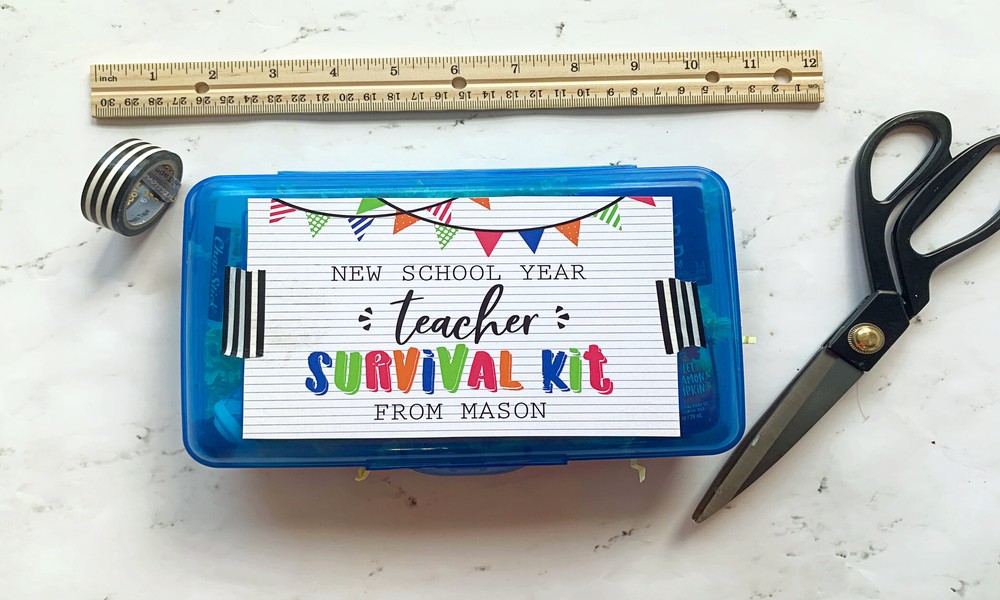
Teaching first grade is joyful and intense. The classroom moves fast each day. Young learners need structure and warmth. A clear plan supports calm learning. A strong survival kit matters. It saves time and reduces stress. It also builds student confidence. The right tools guide each lesson. They help the teacher stay prepared. Now thoughtful materials shape better outcomes.

Essential Classroom Printables

The daily schedule sets clear expectations. A visual timetable reduces confusion. Students see what comes next. Transitions feel smooth and safe. Alphabet charts support early reading skills. Phonics posters reinforce sound patterns. Sight word cards build strong recall. The teacher posts them at eye level. Math number lines encourage counting fluency. Simple behavior charts track positive actions. But consistent use builds reliable routines. These tools create steady structure. Mission.io offers engaging printable activities that align with foundational skills. These materials blend structure with creativity in practical ways.

Literacy and Math Practice Sheets

Reading practice sheets strengthen decoding skills. Short passages build fluency slowly. Comprehension questions check understanding. Writing templates guide sentence structure. Students gain confidence in expression. Math worksheets review addition facts. Simple subtraction pages reinforce number sense. Now spiral review sheets support retention. Carefully designed first grade teacher resources ensure lessons remain aligned with grade level standards and developmental readiness. The teacher selects sheets with clear fonts and spacing. Clean layouts reduce visual stress. Mission.io provides curriculum aligned pages that support differentiated instruction across varied skill levels.

Hands-On Learning Tools

Young learners need tactile experiences. Manipulatives support deeper understanding. Counting blocks teach number value. Letter tiles form simple words. So abstract ideas become concrete. Pattern blocks explore geometry concepts. Small whiteboards allow quick practice. The teacher monitors progress easily. Sometimes sensory bins calm restless hands. Play dough shapes letters and numbers. Now interactive centers build collaboration skills. Mission.io also develops interactive kits that combine printable missions with physical classroom tools. These kits encourage movement and teamwork while reinforcing academic objectives

Creative Enrichment Materials

Art templates inspire creative expression. Seasonal crafts connect lessons to themes. Story sequencing cards spark imagination. Students practice narrative thinking. Science observation sheets guide curiosity. Simple experiment logs track discoveries. The teacher encourages thoughtful questions. Music rhythm cards build listening skills. Dramatic play props enrich language use. Sometimes themed centers refresh engagement. Now project based printables deepen exploration. Balanced enrichment supports whole child growth.

Conclusion

A thoughtful survival kit empowers daily teaching. Strong printables anchor instruction. Hands-on tools spark active learning. Organized systems save precious time. Energy shifts toward student growth. Careful preparation prevents last minute stress. The teacher feels more confident. Students feel secure and ready. Quality materials create lasting impact. With supportive tools in place, first grade classrooms thrive with purpose and joy.

Warehouse managers need reliable insights into how space and energy are used to make informed operational decisions. Manual tracking is often inefficient and prone to error, so automated monitoring systems provide a practical solution for maintaining visibility without increasing staff workload.

Using Sensors for Occupancy Detection

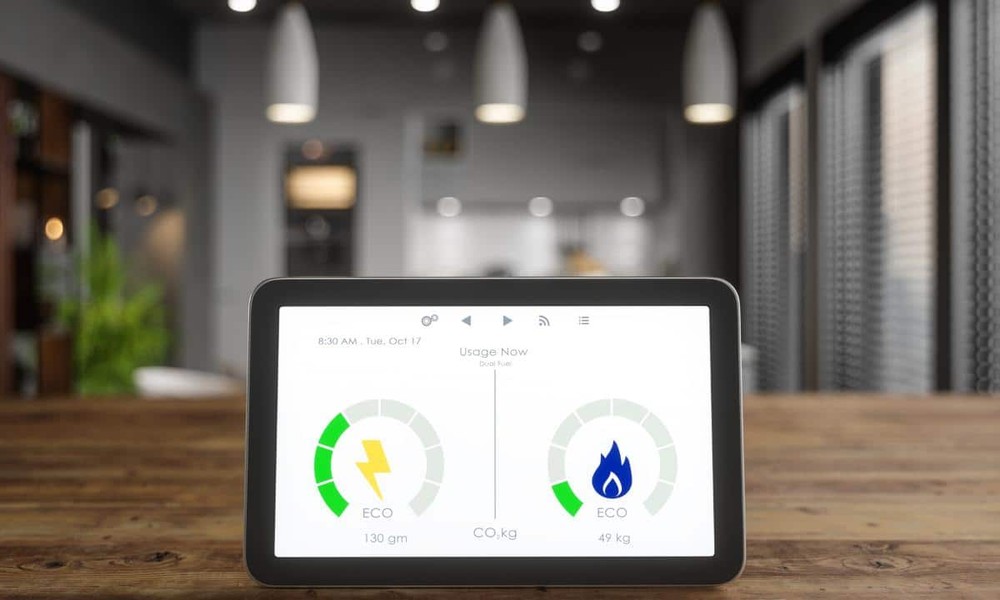
Automated occupancy monitoring relies on sensors that detect the presence of personnel or activity in a given area. Motion detectors, infrared sensors, and smart cameras can provide accurate data on which zones are in use and when. This information allows lighting, HVAC, and other systems to operate only when needed, reducing energy waste.

Switchgear integration enhances occupancy monitoring by providing visibility into how electrical loads fluctuate with occupancy patterns. Understanding the correlation between people and equipment use helps managers identify opportunities for energy optimization.

Integrating Energy Monitoring Devices

Energy monitoring devices track electricity consumption in real-time. Smart meters, sub-meters, and IoT-enabled devices capture data from specific circuits, equipment, or entire facilities. Combining this information with occupancy data allows managers to see how energy use correlates with operational activity.

This automated approach makes it easier to identify anomalies, such as equipment running unnecessarily or lighting zones left on when no one is present.

Leveraging Industrial Automation

Automation systems can use occupancy and energy data to control building systems automatically. Lighting, heating, ventilation, and cooling can be adjusted dynamically based on actual usage, rather than relying on fixed schedules. Equipment can be shut down during periods of inactivity, reducing both energy costs and wear on machinery.

Industrial automation ensures consistent application of these rules across shifts and zones, minimizing human error and enhancing efficiency.

Centralized Monitoring and Dashboards

Centralized dashboards display occupancy and energy data in an intuitive format. Managers can track usage across multiple areas or facilities from a single interface. Historical trends, peak demand periods, and energy-intensive zones become visible, supporting data-driven decisions.

Dashboards also provide alerts when usage patterns deviate from expectations, enabling quick intervention to prevent waste or address operational issues.

Supporting Multi-Site Operations

For organizations with several warehouses, automated monitoring provides consistency across sites. Data collected from each location can be aggregated and compared, allowing managers to identify best practices and replicate them elsewhere. Standardized metrics ensure fair and actionable comparisons.

Switchgear data incorporated into the monitoring system ensures that electrical distribution is considered alongside occupancy, improving the accuracy of energy management strategies.

Training Staff to Respond to Data

Automated systems generate valuable insights only if staff understand how to act on them. Operators and maintenance teams should be trained to interpret dashboard information, respond to alerts, and make adjustments as needed. Clear protocols help ensure that energy-saving measures are applied consistently.

Continuous Evaluation and Optimization

Automated occupancy and energy monitoring provides a foundation for continuous improvement. By regularly reviewing data and analyzing trends, managers can fine-tune schedules, equipment settings, and operational procedures. Incremental changes based on reliable data lead to measurable energy savings and more efficient space utilization.

Achieving Efficiency Through Automation

Monitoring occupancy and energy use automatically allows warehouse managers to optimize operations without adding manual tracking tasks. Combining sensor data, energy monitoring devices, switchgear insights, and industrial automation delivers actionable intelligence that supports smarter, more efficient facility management. Over time, these systems create a sustainable approach to reducing costs and improving operational performance.

Choosing the right school is one of the most important decisions for parents. A strong academic foundation plays a major role in shaping a child’s future, especially during the crucial school years. For many families, cbse schools in Pune remain a top choice due to their structured curriculum, national recognition, and focus on academic consistency.

With many options available, parents often feel confused about how to select the right CBSE school. This guide simplifies the decision-making process by highlighting key factors that define academic excellence.

Why CBSE Curriculum Is Widely Preferred

The Central Board of Secondary Education (CBSE) follows a uniform curriculum across India, making it ideal for families that relocate frequently. The syllabus is designed to build conceptual clarity and prepare students for competitive exams.

CBSE focuses on:

  • Clear understanding of core subjects
  • Logical thinking and problem-solving
  • Balanced academic pressure
  • Strong preparation for national-level exams

This consistency makes cbse schools in Pune a reliable choice for long-term academic planning.

Academic Track Record and Board Results

One of the first things parents should evaluate is the school’s academic performance. Consistent results in board examinations reflect the quality of teaching and learning practices.

While searching for good cbse schools in Pune, parents should look at:

  • Past board examination results
  • Subject-wise performance trends
  • Improvement records over the years
  • Support systems for average learners

Strong academic outcomes usually indicate structured teaching methods and student-focused guidance.

Faculty Quality and Teaching Approach

Teachers play a central role in a child’s academic journey. Experienced and well-trained educators ensure that students understand concepts rather than memorize answers.

Quality CBSE schools focus on:

  • Qualified subject teachers
  • Regular teacher training programs
  • Interactive teaching methods
  • Clear doubt-solving sessions

Schools that encourage open discussions and questions help students build confidence and deeper understanding.

Infrastructure That Supports Learning

A good learning environment goes beyond classrooms. Well-equipped facilities help students apply theoretical knowledge practically.

Parents evaluating cbse schools in Pune should check for:

  • Science and computer laboratories
  • Well-stocked libraries
  • Smart classrooms or digital tools
  • Clean, safe, and organized premises

Good infrastructure enhances interest in learning and supports academic growth.

Focus on Senior Secondary Education (11th and 12th)

Choosing the right school becomes even more critical at the senior secondary level. These years shape career paths and higher education opportunities.

Parents looking for cbse schools in Pune for 11th and 12th should consider:

  • Availability of science, commerce, and humanities streams
  • Subject combinations and flexibility
  • Exam preparation support
  • Guidance for competitive exams

Schools that provide strong academic mentoring during these years help students make informed career decisions.

Student Support and Academic Guidance

Academic excellence is not only about high achievers. Good schools support students at every learning level.

Strong CBSE schools offer:

  • Remedial classes for weak students
  • Extra practice sessions
  • One-on-one academic counseling
  • Regular parent-teacher communication

This support system ensures that no student feels left behind.

Balanced Approach Between Academics and Activities

While academics are important, students also need physical activity, creativity, and mental relaxation. A balanced routine improves focus and reduces stress.

Many good schools in Pune integrate:

  • Sports and physical education
  • Arts, music, and cultural activities
  • Debate, quiz, and academic clubs
  • Leadership and teamwork opportunities

This balance helps students perform better academically while developing confidence and discipline.

Discipline, Values, and School Culture

Academic success is closely linked to discipline and values. A positive school culture promotes responsibility, respect, and consistency in students.

Parents should observe:

  • Classroom discipline
  • Student behavior and ethics
  • School policies and code of conduct
  • Emphasis on moral education

Schools that focus on character development alongside academics create well-rounded individuals.

Parent Involvement and Communication

Transparent communication between school and parents builds trust. Regular updates on academic progress help parents support learning at home.

Effective CBSE schools maintain:

  • Open communication channels
  • Regular academic feedback
  • Scheduled parent-teacher meetings
  • Clear assessment systems

This partnership strengthens the child’s academic journey.

Location and Accessibility

Daily travel time affects a student’s energy and focus. Parents should consider schools that are accessible and safe for daily commuting.

When choosing among cbse schools in Pune, location, transport facilities, and safety measures should be practical and convenient.

Final Thoughts

Selecting the right CBSE school requires careful evaluation of academics, faculty, infrastructure, and student support systems. With the right environment, students can build strong foundations and achieve long-term success. As demand continues to grow, cbse schools in Pune for 11th and 12th that focus on quality education, guidance, and balanced development stand out as reliable choices for parents seeking academic excellence for their children.

Every teen learns in their own method, and finding the correct support can make a meaningful change in how a learner with unique requirements grasps knowledge. A considerate mentor can bring out self-assurance through persistence and a method that suits the kid’s pace. Understanding their emotional needs helps build comfort while learning. The right approach helps children view learning as growth rather than a struggle. It motivates parents and learners to explore supportive guidance and resources, go here to discover more about nurturing a child’s confidence through effective tutoring.

Understanding Individual Learning Patterns

Each student has a special method of captivating knowledge, and children with dyslexia frequently need structured yet flexible direction. Observing how they react to reading and writing tasks helps determine the best approach. Tutors who adapt to the child’s pace make progress steadier. Knowing their preferred technique of learning strengthens engagement and understanding.

Qualities of a Best Instructor

A coach should have concern, endurance, and an understanding of how dyslexia affects learning. They should create lessons that build assurance through positive support. Encouraging curiosity instead of pressure allows natural improvement. Adaptability ensures the sessions remain engaging even during challenging phases.

Customized Teaching for Better Progress

Learning programs should match the child’s strengths rather than highlight their struggles. Custom lessons built around practical examples make reading and writing easier. Simple memory aids help children remember new concepts with comfort. Consistent progress checks support tutors refine lessons to suit changing requirements while maintaining stability.

  • Personalized reading games improve attention and word recognition skills
  • Using visual clues supports understanding of letter and sound patterns
  • Repeating gentle reading exercises builds steady language growth
  • Encouraging storytelling strengthens memory and expression skills

Encouraging Confidence in Every Session

Confidence grows when the child feels supported while learning. Gentle correction rather than harsh feedback keeps motivation alive. Small victories during lessons build faith in their own ability to learn. Tutors who focus on growth rather than errors nurture resilience. The goal is to help them feel proud of each improvement and eager to go here continue learning, which in turn enhances trust between tutor and student.

Collaborating with Family for Success

Families play a main role in supporting learning at home. When parents and instructors keep informed, progress becomes simpler to track. Children feel safe knowing everyone supports their development. Open communication allows the tutor to adjust teaching methods effectively to the child’s home environment and comfort zone.

Building Steady Growth and Self-Belief

As tutoring continues, children develop a steady rhythm of learning that aligns with their comfort level. Over time, their reading and ability improve naturally. Trainers who understand dyslexia attention not only on learning but also on emotional development. This combined focus leads to long-term confidence and curiosity toward learning.

A suitable guide can shape the journey from misperception to clarity. Families who take time to match the instructor with their child’s style encourage stronger growth. Each small achievement builds towards lasting success. Careful observation, open communication, and consistent support transform learning into something positive. By choosing guidance that suits personal needs, children find a path where knowledge grows freely and naturally.

Preparing for the Strategic Business Reporting (SBR) exam can feel overwhelming. Among the many technical standards, hedge accounting stands out as one of the most challenging areas. Students often struggle with the detail and application, especially when it comes to commodities and derivative contracts. Understanding commodity hedge accounting is not just about memorising the rules, it is about applying International Financial Reporting Standards (IFRS) in context. This post will take you through practical examples, highlight common mistakes, and explain how to approach exam questions with confidence.

Why Hedge Accounting Matters in ACCA SBR

Hedge accounting links financial reporting to real business activity. Companies that use derivatives to manage risk must reflect that strategy in their accounts. The key standard is IFRS 9, which sets out the principles. For students, this is tested through scenario-based questions in the SBR exam. You may be asked to explain the treatment of a derivative contract, show the journal entries, or discuss the impact on profit or loss and other comprehensive income. A firm grasp of the rules will give you an edge when tackling complex case studies.

The Basics of Derivative Accounting

Before exploring a commodity hedge accounting example, you need to understand how derivatives are accounted for. A derivative is a financial instrument whose value depends on the price of something else – such as oil, wheat, or foreign currency. Under IFRS 9, derivatives are recognised on the statement of financial position at fair value, with changes in value usually going through profit or loss. This can create volatility. Hedge accounting provides a way to align accounting results with risk management.

Key points to remember:

  • All derivatives are initially recognised at fair value.
  • Subsequent measurement is also at fair value.
  • Gains and losses are recognised in profit or loss unless hedge accounting is applied.

This framework applies whether the derivative is an interest rate swap, a forward contract, or a commodity future.

Understanding Commodity Hedge Accounting

Commodity hedge accounting applies when an entity uses a derivative to reduce its exposure to commodity price risk. For example, an airline may hedge its exposure to jet fuel prices by entering into oil futures contracts. Without hedge accounting, the gains and losses on the futures would go through profit or loss, creating a mismatch with the actual fuel expense. With hedge accounting, the timing of recognition is aligned, smoothing out volatility.

In the SBR exam, you might be given a scenario involving commodities and asked to apply the rules. This often requires you to distinguish between fair value hedges, cash flow hedges, and hedges of net investments in foreign operations.

Example: Cash Flow Hedge with a Commodity

Imagine a bread manufacturer that expects to purchase 10,000 tonnes of wheat in six months. Wheat prices are volatile, so the company enters into a forward contract to fix the purchase price. This is a classic case for cash flow hedge accounting.

Step 1: Identify the hedged item and hedging instrument

  • Hedged item: the forecast purchase of wheat.
  • Hedging instrument: the forward contract on wheat.

Step 2: Designate the hedge relationship

The company formally documents the relationship at inception, linking the contract to the expected purchase.

Step 3: Measure effectiveness

At each reporting date, the company checks that the hedge is effective. This means changes in the value of the derivative offset changes in the expected cash flows from the purchase.

Step 4: Accounting treatment

  • Effective portion: recognised in other comprehensive income (OCI).
  • Ineffective portion: recognised in profit or loss.
  • When the wheat is purchased, the OCI balance is recycled to the cost of the wheat.

This example shows how hedge accounting prevents volatility from hitting profit or loss until the actual transaction occurs.

Common Errors Students Make

Many students lose marks not because they do not understand the standard, but because they fail to apply it clearly in exam answers. Here are common pitfalls:

  • Not identifying the hedged item and instrument.
  • Forgetting to explain the treatment of the effective and ineffective portions.
  • Ignoring the recycling of OCI when the forecast transaction happens.
  • Confusing cash flow hedges with fair value hedges.

When practising acca exams questions and answers, pay attention to structure. A clear, logical explanation can pick up marks even if the numbers are not perfect.

Linking Commodity Hedges to Derivative Hedge Accounting

Commodity hedges are one application of broader derivative hedge accounting. Other common scenarios involve interest rate swaps or currency forwards. For exam success, focus on the principles. Once you understand the mechanics, you can apply them to any hedging situation.

How This Is Tested in SBR ACCA

The examiner often uses real-world inspired scenarios. You may see a case study of a company exposed to oil, gas, or agricultural commodity prices. Expect to be asked to:

  • Explain the accounting treatment under IFRS 9.
  • Show journal entries.
  • Discuss the impact on profit, OCI, and equity.
  • Comment on disclosures.

Practising with sbr online materials and taking part in an acca revision class can strengthen your confidence.

Practical Steps to Prepare

Here is a practical approach to mastering hedge accounting for exams:

  1. Read the key sections of IFRS 9 relating to hedging.
  2. Practise with real examples such as fuel hedges or wheat contracts.
  3. Attempt past exam questions that include hedge accounting.
  4. Write answers in full sentences, explaining why the treatment applies.
  5. Work with an acca tutor onlineor through online acca tuition if you need guided support.

By building your knowledge step by step, you avoid panic when faced with a hedge accounting scenario in the exam hall.

Commodity Hedge Accounting Example 2: Fair Value Hedge

Suppose a mining company holds an inventory of copper. It fears that prices will fall, so it enters into a futures contract to lock in the selling price. This is an example of a fair value hedge.

  • The inventory is the hedged item.
  • The futures contract is the hedging instrument.
  • Gains and losses on both the instrument and the hedged item are recognised in profit or loss.

The exam may ask you to contrast this with a cash flow hedge. Be ready to highlight the differences.

Commodity Hedge Accounting Example 3: Hedge of a Firm Commitment

Imagine a coffee importer that agrees today to buy beans in three months. The purchase price is fixed in dollars, but the importer’s functional currency is pounds. The company is exposed to both commodity and currency risk. To manage this, it enters into a cross-currency swap. This creates a more complex hedge, which the examiner might use to test deeper understanding. The key is to explain the risk exposure and how the derivative manages it.

How Difficult Is Passing ACCA When Hedge Accounting Appears?

Students often ask how difficult is passing acca when complex topics like hedge accounting are examined. The answer depends on preparation. If you understand the basics of derivatives and practise applying the rules, hedge accounting is manageable. It is not about memorising every detail. It is about showing the examiner that you understand the logic and can apply it. That is how you build exam technique and increase your chances of success.

Staying Motivated During ACCA Exams

Hedge accounting is demanding, and it can drain motivation. Many students benefit from setting small goals, working with an acca private tutor, or joining an acca exams forum to share experiences. To keep going:

  • Break down study sessions into focused blocks.
  • Use past questions as practice.
  • Celebrate progress, even small wins.

Motivation is a key part of exam success, as much as technical knowledge.

Choosing Which ACCA Exams to Take Together

If you are considering which acca exams to take together, pairing SBR with Strategic Business Leader (SBL) can make sense, as both require strong application and written skills. However, balance your workload. Taking too many complex papers at once can increase stress and reduce your chances of passing.

You can read more about courses and structured support through online acca courses uk that are designed to help with planning.

Using Tutors to Strengthen Your Knowledge

Working with the best acca tutors can make a real difference. Tutors can explain difficult topics like derivative accounting, provide structured practice, and guide you on exam technique. You may benefit from face-to-face support through acca tuition near me, or you might prefer the flexibility of an acca online tutor. Either way, targeted tuition helps bridge gaps and build confidence.

For those focused on SBR, enrolling in an acca sbr course is a practical way to get specialist guidance and improve exam readiness.

Final Thoughts

Commodity hedge accounting is one of the more technical areas in the ACCA SBR exam. But with preparation, it is possible to master it. By working through examples, practising questions, and understanding the underlying principles of IFRS 9, you can tackle this topic with confidence. Remember to write clear, structured answers and focus on application, not memorisation. Use all the support available – past questions, online tuition, forums, and tutors – to strengthen your skills. Passing ACCA exams requires both knowledge and strategy, and hedge accounting is an excellent area to demonstrate both.

Young children benefit greatly from early exposure to the Chinese language. Starting Chinese enrichment early gives students a good start in language proficiency, especially in Singapore, where bilingualism is highly valued. K1 and K2, in particular, are critical periods for language acquisition.

Discover why funding Chinese tuition in Singapore can yield a big impact on young students.

Accelerates Language Development

Language development peaks during preschool, and children in K1 and K2 absorb new languages quickly and effectively. Early Chinese enrichment helps build vocabulary and sentence structure comprehension, which are essential for future academic progress. Through structured programs like those offered by the best Chinese enrichment classes, young learners benefit from immersive and engaging language experiences that strengthen listening, speaking, reading, and writing abilities. Starting Chinese tuition early also reduces the risk of language struggles later, ensuring a smoother journey through primary school.

Builds Confidence in Language Use

Starting early in a supportive and low-pressure environment helps children develop confidence in using Chinese in everyday situations. Preschoolers in K1 and K2 Chinese may feel intimidated by a language they don’t use as often. However, enrolling in a Chinese preschool where language use is integrated into activities builds familiarity and comfort. Chinese enrichment classes typically use storytelling, songs, and interactive games that make the language accessible and enjoyable, helping children build the confidence to communicate naturally.

Key Confidence-Building Activities:

  • Storytelling Sessions: Regular story readings improve vocabulary and sentence comprehension.
  • Interactive Games: Language games make learning fun, removing the pressure while reinforcing usage.
  • Role-Playing: Simulating real-life situations builds conversational confidence.

K2 Chinese

Enhances Cognitive Skills

Learning a second language at a young age has proven cognitive benefits. Studies show that bilingual children have better problem-solving skills, memory, and concentration. Chinese enrichment adds complexity that stimulates the brain and enhances the cognitive flexibility of K1 and K2 children. Regular exposure to Chinese through structured classes also strengthens executive functions like attention and task-switching. These cognitive advantages set children up for success across multiple subjects.

Establishes Cultural Awareness and Appreciation

Starting early with a Chinese preschool introduces children to the rich culture and traditions embedded in the language. Understanding cultural nuances early fosters a sense of identity and respect for diversity in young learners. This respect is particularly relevant in a multicultural society, where appreciating different cultures promotes harmony and inclusiveness. Chinese enrichment classes often incorporate stories, festivals, and historical context that help K1 and K2 students connect with their heritage, creating well-rounded, culturally aware individuals.

Cultural Activities in Chinese Enrichment Classes:

  • Chinese New Year Celebrations: Understanding customs and traditions deepens cultural ties.
  • Festive Storytelling: Engages children with myths and legends in Chinese culture.
  • Craft Activities Related to Chinese Art and Symbols: Hands-on exposure to traditional crafts builds familiarity with cultural symbols.

Prepares for Primary School Requirements

A strong foundation in Chinese is necessary for success in the city-state’s education system, which requires bilingual proficiency from a young age. By starting K1 and K2 students in an enrichment program, parents are giving them the head start needed to tackle the primary school Chinese curriculum confidently. Early exposure to structured lessons covering foundational language elements ensures that children are well-prepared when they transition to formal schooling, where language expectations intensify. Choosing the best Chinese enrichment class ensures that the curriculum aligns with MOE guidelines, making the transition to primary school smoother.

Develops Social Skills in a Structured Setting

Enrichment classes provide a structured environment where children can learn and practise social skills in a group setting. The best Chinese enrichment classes in Singapore encourage K1 and K2 students to interact with peers, developing their interpersonal skills through cooperative learning. They learn to share, listen, and communicate respectfully with others, all while practising Chinese. This structured social interaction is essential for their personal development as they prepare for more rigorous social dynamics.

Key Social Benefits in Chinese Enrichment Classes:

  • Collaborative Learning Activities: Team-based games encourage cooperation.
  • Group Discussions: Boosts listening and turn-taking skills.
  • Role-Playing and Sharing: Allow children to practise empathy and respectful communication.

Conclusion

Beginning K1 and K2 Chinese has several long-term advantages, ranging from social skills and cultural appreciation to academic preparedness and cognitive development. Early Chinese instruction helps prepare kids for success by providing a solid language foundation, which is necessary given the city-state’s growing need for bilingualism.

Contact Tien Hsia to prepare your child for a successful bilingual journey.

Had you been considering upgrading your laptop? If so, then you have come to the right place. We will discuss one of the best options in the market today, the Macbook Air M3 (Macbook Air M3 ราคานักศึกษา, term in Thai). A vibrant 13.6-inch display, a sleek, contemporary design, and four color options are just a few of the characteristics that made the MacBook Air 13-inch M3 so fantastic. This notebook is a winner because of that and the potent M3 CPU, which provides excellent performance for work, gaming, and AI tasks.

In comparison to the 13-inch MacBook Air M2, it provides a number of welcome upgrades. The addition of the M3 chip, which aligns it with the latest generation of Pros, is the primary selling point. This processor boasts graphics and artificial intelligence enhancements in addition to outstanding CPU performance. Furthermore, compared to its predecessor, the already remarkable battery life has been enhanced.

Macbook Air M3 education pricing (Macbook Air M3 ราคานักศึกษา, term in Thai) is totally worth it considering the advantages it offers, which discussed further below.

Small size yet big functionality

MacBook Air M3

At first glance, the Air M3 may easily pass for one of the greatest iPads due to its extreme thinness. It is the ideal travel companion due to its compact size and low weight. It’s possible you won’t even realize it’s in your backpack! In addition to being aesthetically pleasing, the robust unibody aluminum chassis is comfortable to hold. The laptop glides smoothly on that hinge, making it simple to open the lid and hold it in one hand as before. The laptop lid won’t sway even if you’re walking with it open.The M3 chip can automatically improve images in Pixelmator Pro or eliminate background noise in apps like CapCut. Instead of using the cloud to do these operations, it does them on-device.

Aesthetically Appealing

Silver, Space Gray, Midnight, and Starlight are the four color options. The latter is the most intriguing given it makes use of the same fingerprint-resistant feature that was first shown on the MacBook Pros in Space Black last year. All of the hues look fantastic, but the most favorite is midnight.

Sturdy – best for student and educators on-the-go

All things considered, the MacBook Air 13-inch M3 performs better than its predecessor. It outperformed Photoshop and Premiere Pro, compressed a 4K video more quickly in Handbrake, and performed better in Geekbench’s CPU test. Although the Windows laptop performed somewhat better, it also dominated the Dell XPS 14 in the final two tests.

Reliable battery

The MacBook Air 13-inch M3 had an amazing 15 hours and 13 minutes of battery life.  With this battery life, you can do so much, especially if you are a student or an educator.  You don’t need to worry that your laptop will drain its battery when you do not have access to a power supply.

Its vibrant display, color options, powerful M3 performance, and attractive ultraportable design. For daily work, gaming, and video editing, the MacBook Air M3 is a great all-around notebook. For individuals who have never had a MacBook before or wish to upgrade.