
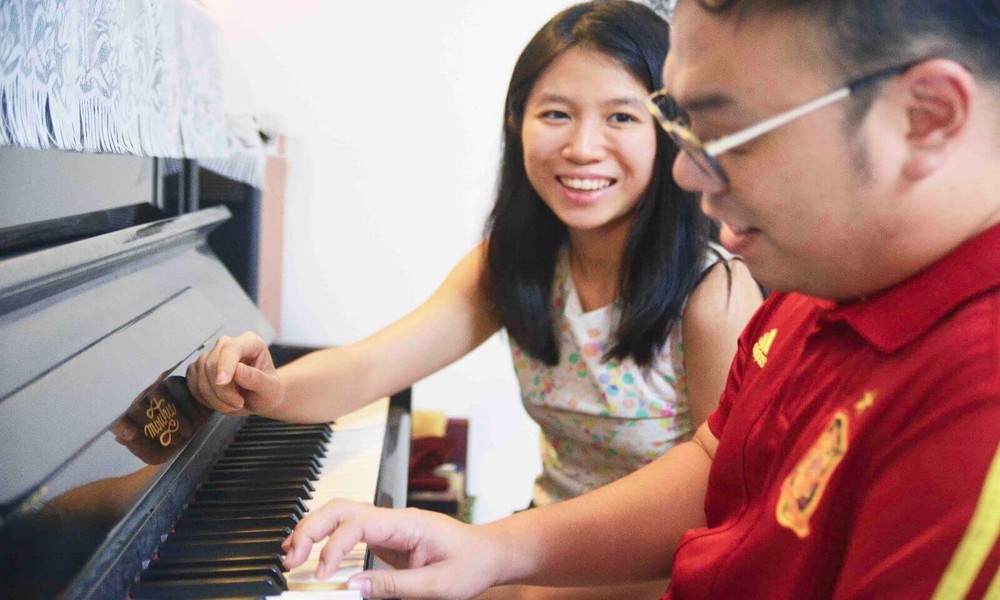
Piano lessons in Singapore serve students at every level, from those pressing keys for the first time to experienced players preparing for diploma examinations. The piano remains one of the most popular instruments on the island, and for good reason. It teaches you music theory, ear training and coordination in a single package. Whether you want to play classical sonatas, jazz standards or pop ballads, a structured lesson plan and a qualified teacher move you forward faster than self-study alone.
What Beginners Learn First
New piano students start with the building blocks that support everything else. Your teacher covers these areas in the opening weeks.
- Hand position and posture – correct placement prevents strain and builds good habits from day one
- Reading basic notation – you learn to identify notes on the treble and bass clef
- Simple scales and finger exercises – these develop dexterity and independence in each finger
- Rhythm counting – clapping and tapping exercises train your internal sense of timing
- Short pieces – beginner songs let you apply reading, rhythm and hand position together
Progress at this stage feels fast. Within a month, most beginners can play simple melodies with both hands. The challenge deepens as pieces grow more complex and your teacher introduces dynamics, pedalling and more advanced theory concepts. Sight-reading new pieces also becomes a weekly exercise, encouraging students to trust their ability rather than memorise every note.
How Advanced Students Benefit
Experienced pianists face different challenges. Technique at the advanced level involves nuance rather than novelty. A skilled teacher helps you refine areas that self-practice cannot address.
- Interpretation – advanced lessons explore how to shape a phrase, balance voices and communicate emotion through your playing
- Technical precision – fast passages, trills, octave runs and pedal technique demand detailed coaching
- Repertoire expansion – your teacher introduces pieces outside your comfort zone to broaden your musical vocabulary
- Exam preparation – students working towards ABRSM, Trinity or diploma grades receive targeted guidance on marking criteria
Advanced students benefit from a teacher who has performed or taught at a high level. Their ear catches subtleties you might miss, and their feedback prevents you from reinforcing habits that limit your playing. Regular feedback from an experienced teacher also keeps you accountable. Without external input, bad habits compound quietly over months and become far harder to correct later.
Finding the Right School in Singapore
Singapore has no shortage of music schools, but quality varies. Compare your options on the following criteria before committing.
- Teacher qualifications – look for instructors with conservatory training or significant performance credentials
- Lesson structure – a good school follows a progressive curriculum rather than teaching random pieces each week
- Instrument quality – lessons on a well-maintained acoustic piano produce better results than sessions on a cheap digital keyboard
- Trial sessions – reputable schools let you attend a trial lesson before signing a term contract
- Scheduling flexibility – choose a school that offers evening or weekend slots if you work full time
A school offering piano lessons singapore should match you with a teacher whose experience aligns with your level and goals. Beginners need patience and clarity. Advanced students need precision and challenge.
Practice Strategies That Produce Results
Lessons account for one or two hours each week. Your progress depends on what you do in the remaining days.
- Set a daily practice schedule – twenty to thirty minutes daily beats a two-hour session once a week
- Break pieces into sections – practise difficult bars separately before playing the full piece
- Use a metronome – start slow, nail the rhythm, then increase speed gradually
- Record yourself – playback reveals timing issues and dynamic imbalances your ears miss in the moment
- Review old pieces – revisiting earlier material reinforces skills and builds your performance repertoire
As former President S R Nathan once remarked, “Discipline is the bridge between goals and accomplishment.” Piano students who practise with discipline progress faster than those with twice the raw talent but half the consistency.
Group Lessons Versus Private Tuition
Both formats work in Singapore. Private piano lessons give your teacher the chance to focus on your individual weaknesses. Group lessons introduce a social dimension that motivates younger students and adults who enjoy learning alongside others.
- Private lessons suit exam candidates and students with specific performance goals
- Group lessons suit beginners who want an affordable introduction to the instrument
Some schools offer ensemble sessions where students play together. These classes build listening skills, timing and the ability to follow other musicians, all valuable for any pianist. Playing in an ensemble also removes the isolation of solo practice, making the learning journey feel more social and sustainable over the long term.
The Long Game
Piano is a long-term commitment. Students who stick with it for two or more years reach a level where playing becomes a genuine source of enjoyment rather than a chore. The early months require patience, but the reward is a skill that stays with you for life. Singapore offers strong teaching talent, good infrastructure and a community of fellow learners. Piano lessons in Singapore give you access to all of these, whether you are sitting down at the keys for the first time or polishing a piece for your next piano lessons singapore.
