
Category

Education

Category

A-Level Chemistry is widely regarded as one of the most challenging subjects in Singapore’s junior college curriculum. With its heavy emphasis on conceptual understanding, application-based questions, and problem-solving, many students find it difficult to keep up with the pace of school lectures. As a result, structured academic support becomes essential for students aiming to achieve strong results.

For students navigating this demanding subject, enrolling in programmes like a level chemistry tuition in Singapore can provide the additional guidance needed to build confidence and improve performance.

Why A-Level Chemistry is Challenging

The complexity of A-Level Chemistry lies in its depth and breadth. Students are required to understand topics such as organic chemistry, chemical bonding, thermodynamics, and analytical techniques, all of which demand strong foundational knowledge and logical thinking.

Unlike earlier levels, simply memorising formulas is not enough. Students must apply concepts to unfamiliar questions, which requires a deeper level of understanding. This shift often creates difficulties for those who are not fully confident in their fundamentals.

Importance of Conceptual Understanding

One of the key factors in excelling at A-Level Chemistry is mastering core concepts. Students who rely solely on memorisation often struggle when faced with application-based questions. A strong conceptual foundation allows learners to approach problems logically and adapt to different question formats.

Structured tuition programmes focus on breaking down complex topics into simpler explanations. This helps students understand the “why” behind each concept, making it easier to retain information and apply it effectively during exams.

Role of Structured Tuition Programmes

A well-designed tuition programme provides students with a clear learning pathway. Instead of feeling overwhelmed by the syllabus, students are guided step by step through each topic. This structured approach ensures that no concept is left unclear.

At centres like The Science Academy, JC Chemistry programmes are designed to help students build strong foundations, simplify difficult topics, and apply concepts confidently in exams.

These programmes often include curated notes, targeted practice questions, and mock exams, all of which help students stay ahead of the school curriculum.

Personalised Learning for Better Results

Every student has a different learning pace and style. In large school classrooms, it can be difficult for teachers to address individual doubts. Tuition classes, especially those with smaller group sizes, allow for more personalised attention.

This enables tutors to identify specific weaknesses and tailor their teaching methods accordingly. With focused guidance, students can improve more efficiently and gain clarity in areas they previously found challenging.

Exam-Oriented Strategies and Practice

Success in A-Level Chemistry is not just about understanding concepts-it also requires effective exam strategies. Students need to learn how to structure their answers, manage time, and avoid common mistakes.

Tuition programmes often incorporate exam-focused training, including:

  • Practice with past-year papers
  • Exposure to different question types
  • Techniques for answering structured and essay questions

Such preparation helps students become more familiar with exam patterns and improves their ability to perform under timed conditions.

Access to Quality Learning Resources

Another major advantage of structured tuition is access to high-quality learning materials. These resources are often designed to simplify complex topics and provide clear summaries for revision.

At The Science Academy, students benefit from concise notes, visual summaries, and additional resources such as video tutorials and mock exams, which support both classroom learning and self-study.

Having access to these materials allows students to reinforce their understanding and revise more effectively.

Building Confidence and Consistency

Confidence plays a crucial role in academic performance. Many students struggle not because they lack ability, but because they feel unsure about their understanding of the subject.

Regular practice, consistent feedback, and supportive teaching help students build confidence over time. As they begin to see improvement in their performance, their motivation and engagement also increase.

Consistency is equally important. Weekly lessons and continuous practice ensure that students stay on track and do not fall behind in their studies.

Flexible Learning Options

Modern tuition programmes offer both in-person and online learning options, making it easier for students to fit lessons into their schedules. This flexibility allows students to balance school, tuition, and other commitments effectively.

Online resources and recorded lessons also provide additional support, enabling students to revisit topics and revise at their own pace.

Long-Term Benefits of Strong Chemistry Skills

Mastering A-Level Chemistry opens up opportunities in various fields such as medicine, engineering, and science-related careers. Strong analytical and problem-solving skills developed through the subject are valuable in both academic and professional settings.

Students who build a solid foundation in chemistry are better prepared for university-level studies and future challenges.

Conclusion

A-Level Chemistry requires more than just hard work-it demands the right approach, guidance, and resources. With structured learning, personalised support, and consistent practice, students can overcome challenges and achieve their academic goals.

By investing in the right support system, students not only improve their grades but also develop confidence and a deeper understanding of the subject. This foundation sets them up for long-term success in both academics and future career paths.

Piano lessons in Singapore serve students at every level, from those pressing keys for the first time to experienced players preparing for diploma examinations. The piano remains one of the most popular instruments on the island, and for good reason. It teaches you music theory, ear training and coordination in a single package. Whether you want to play classical sonatas, jazz standards or pop ballads, a structured lesson plan and a qualified teacher move you forward faster than self-study alone.

What Beginners Learn First

New piano students start with the building blocks that support everything else. Your teacher covers these areas in the opening weeks.

  • Hand position and posture – correct placement prevents strain and builds good habits from day one
  • Reading basic notation – you learn to identify notes on the treble and bass clef
  • Simple scales and finger exercises – these develop dexterity and independence in each finger
  • Rhythm counting – clapping and tapping exercises train your internal sense of timing
  • Short pieces – beginner songs let you apply reading, rhythm and hand position together

Progress at this stage feels fast. Within a month, most beginners can play simple melodies with both hands. The challenge deepens as pieces grow more complex and your teacher introduces dynamics, pedalling and more advanced theory concepts. Sight-reading new pieces also becomes a weekly exercise, encouraging students to trust their ability rather than memorise every note.

How Advanced Students Benefit

Experienced pianists face different challenges. Technique at the advanced level involves nuance rather than novelty. A skilled teacher helps you refine areas that self-practice cannot address.

  • Interpretation – advanced lessons explore how to shape a phrase, balance voices and communicate emotion through your playing
  • Technical precision – fast passages, trills, octave runs and pedal technique demand detailed coaching
  • Repertoire expansion – your teacher introduces pieces outside your comfort zone to broaden your musical vocabulary
  • Exam preparation – students working towards ABRSM, Trinity or diploma grades receive targeted guidance on marking criteria

Advanced students benefit from a teacher who has performed or taught at a high level. Their ear catches subtleties you might miss, and their feedback prevents you from reinforcing habits that limit your playing. Regular feedback from an experienced teacher also keeps you accountable. Without external input, bad habits compound quietly over months and become far harder to correct later.

Finding the Right School in Singapore

Singapore has no shortage of music schools, but quality varies. Compare your options on the following criteria before committing.

  • Teacher qualifications – look for instructors with conservatory training or significant performance credentials
  • Lesson structure – a good school follows a progressive curriculum rather than teaching random pieces each week
  • Instrument quality – lessons on a well-maintained acoustic piano produce better results than sessions on a cheap digital keyboard
  • Trial sessions – reputable schools let you attend a trial lesson before signing a term contract
  • Scheduling flexibility – choose a school that offers evening or weekend slots if you work full time

A school offering piano lessons singapore should match you with a teacher whose experience aligns with your level and goals. Beginners need patience and clarity. Advanced students need precision and challenge.

Practice Strategies That Produce Results

Lessons account for one or two hours each week. Your progress depends on what you do in the remaining days.

  • Set a daily practice schedule – twenty to thirty minutes daily beats a two-hour session once a week
  • Break pieces into sections – practise difficult bars separately before playing the full piece
  • Use a metronome – start slow, nail the rhythm, then increase speed gradually
  • Record yourself – playback reveals timing issues and dynamic imbalances your ears miss in the moment
  • Review old pieces – revisiting earlier material reinforces skills and builds your performance repertoire

As former President S R Nathan once remarked, “Discipline is the bridge between goals and accomplishment.” Piano students who practise with discipline progress faster than those with twice the raw talent but half the consistency.

Group Lessons Versus Private Tuition

Both formats work in Singapore. Private piano lessons give your teacher the chance to focus on your individual weaknesses. Group lessons introduce a social dimension that motivates younger students and adults who enjoy learning alongside others.

  • Private lessons suit exam candidates and students with specific performance goals
  • Group lessons suit beginners who want an affordable introduction to the instrument

Some schools offer ensemble sessions where students play together. These classes build listening skills, timing and the ability to follow other musicians, all valuable for any pianist. Playing in an ensemble also removes the isolation of solo practice, making the learning journey feel more social and sustainable over the long term.

The Long Game

Piano is a long-term commitment. Students who stick with it for two or more years reach a level where playing becomes a genuine source of enjoyment rather than a chore. The early months require patience, but the reward is a skill that stays with you for life. Singapore offers strong teaching talent, good infrastructure and a community of fellow learners. Piano lessons in Singapore give you access to all of these, whether you are sitting down at the keys for the first time or polishing a piece for your next piano lessons singapore.

STEM learning builds clear thinking and curiosity. It helps young minds explore real problems. Middle school years are very important for growth. So, learning must be active and meaningful. Students connect lessons with real life situations. These connections improve understanding and confidence.

Hands-On Learning Improves Thinking

Students stay focused with hands-on learning. They learn by undertaking straightforward tasks. This strategy strengthens essential concepts. Students investigate and test solutions. So, kids learn by doing and reflecting. Students learn reasoning from simple experiments. They evaluate outcomes and alter techniques. It develops patience and critical thinking. Teachers advise without answering. Students sometimes find superior answers. Confidence and independent thinking increase.

Problem Solving Through Real Scenarios

Real scenarios help students understand practical challenges. They work on tasks based on everyday problems. This builds reasoning and decision-making skills. Students learn to plan before taking action. Group work improves learning in many ways. Students share ideas and listen carefully. They learn to respect different opinions and views. So, teamwork becomes a strong learning tool.

Programs from Mission.io create engaging mission-based experiences for students. These missions place learners in exciting problem-solving situations. Students must think quickly and act wisely. This builds adaptability and strong decision-making skills.

Technological Integration Improves Learning

Technology aids STEM education in various ways. Student tools match real-world systems. Coding, design, and data basics are taught. These talents equip them for careers. Interactive digital technologies create compelling surroundings. Student ideas can be tested with simulations and models. They grasp complex ideas easily. Learning becomes entertaining and effective. Digital missions from Mission.io imitate space problems. Students address difficulties together throughout missions. This makes learning fun and engaging.

Creativity Drives Innovation Skills

Creativity is important in STEM learning. Students should think beyond simple answers. They explore many ways to solve one problem. This builds flexible and innovative thinking skills. Design activities connect imagination with real ideas. Students create models and simple working prototypes. These tasks improve both creative and logical thinking. Sometimes creative ideas lead to better solutions.

The best stem activities for Middle School support both creativity and logic together. These activities prepare students for complex real-world challenges. They help students grow into confident problem solvers.

Student Collaboration Prepares Them for Future

Collaboration teaches students teamwork. Shared views and careful listening are taught. This fosters peer respect and understanding. Teamwork closely mimics workplaces. Students learn time and task management. They also learn calm dispute resolution. Thus, these talents equip individuals for careers. Mission.io promotes teamwork through mission-based learning. Students collaborate to finish tasks. Teams gain trust and responsibility.

Conclusion

STEM learning prepares students for future challenges. It builds strong thinking and problem-solving skills. Schools should focus on active and meaningful learning methods. These methods support both academic and personal growth. So early STEM learning creates long lasting benefits. It helps students become future ready individuals.

In Singapore’s education system, there is a strong emphasis on academic excellence. While this has many benefits, parents are increasingly recognising the importance of nurturing creativity alongside traditional learning. Creative development helps children think independently, express themselves confidently, and approach problems with a fresh perspective.

Art is one of the most effective ways to encourage this kind of growth. It allows children to explore ideas freely while still developing discipline and focus when guided in the right environment.

Why Creativity Matters in Early Development

Creativity is not just about drawing or painting. It is about how children think, solve problems, and express their ideas. When children engage in creative activities, they learn to experiment without fear of failure.

In Singapore, where structured learning is common, introducing creative activities helps balance a child’s development. It allows them to step away from rigid frameworks and explore their imagination more freely.

Studies and educational practices have shown that creative learning can improve cognitive abilities, communication skills, and emotional intelligence. These are essential qualities that benefit children both in school and in life.

The Role of Structured Learning in Art

While free play is important, structured guidance can significantly enhance a child’s creative journey. A well designed programme introduces techniques, tools, and concepts in a way that builds both skill and confidence.

For example, professional art programmes in Singapore often combine foundational skills such as sketching and composition with creative exploration. This balance helps children understand both the technical and expressive sides of art.

Centres like Little Artists Art Studio focus on developing not just artistic ability but also observation, discipline, and critical thinking, creating a well rounded learning experience.

Benefits of Art Classes for Children

Enrolling children in art classes for kids provides several long term benefits.

Improved Focus and Patience
Art requires attention to detail and time to complete tasks. This helps children develop patience and the ability to concentrate for longer periods.

Confidence Building
When children create something on their own, it gives them a sense of achievement. This builds self confidence and encourages them to take on new challenges.

Better Motor Skills
Activities like drawing, painting, and sculpting help improve hand eye coordination and fine motor skills, especially in younger children.

Emotional Expression
Art provides a safe space for children to express their feelings. This is particularly important in a busy and structured environment like Singapore.

Exposure to Different Art Forms

Modern art education goes beyond basic drawing. Children are introduced to various forms such as painting, clay modelling, and mixed media. This exposure helps them discover their interests and develop unique styles.

Programmes in Singapore often cater to a wide age range, starting from as young as 2.5 years old and progressing to advanced levels for teenagers. This allows children to grow continuously and refine their skills over time.

Learning in a Supportive Environment

A positive learning environment plays a key role in a child’s development. Small class sizes and personalised attention allow instructors to understand each child’s strengths and areas for improvement.

Many structured art programmes focus on guiding children rather than forcing outcomes. This encourages independent thinking while still providing the support needed to improve.

In Singapore, such environments are particularly valuable as they offer a break from academically intense routines and allow children to enjoy the learning process.

Encouraging Creativity at Home

While formal classes are beneficial, creativity should also be encouraged at home. Parents can support their child’s development by providing simple materials such as paper, colours, and craft tools.

Allowing children to explore without strict rules helps build confidence and curiosity. Even small activities like drawing after school or creating simple crafts can make a big difference over time.

Balancing Creativity with Academics

One common concern among parents in Singapore is balancing creative activities with academic responsibilities. The key is to integrate creativity into a child’s routine without overwhelming them.

Short, consistent sessions are often more effective than long, irregular ones. When children enjoy what they are doing, they are more likely to stay engaged and continue learning.

Creative activities should be seen as a complement to academics rather than a distraction. In fact, many skills developed through art, such as focus and problem solving, can enhance academic performance.

Conclusion

Nurturing creativity in children is essential for their overall development. Through a combination of structured learning and free exploration, children can build confidence, improve skills, and discover their unique abilities.

For parents in Singapore, incorporating creative activities into a child’s routine offers a valuable opportunity to support both personal and academic growth. With the right guidance and environment, children can develop not only as students but also as confident and imaginative individuals.

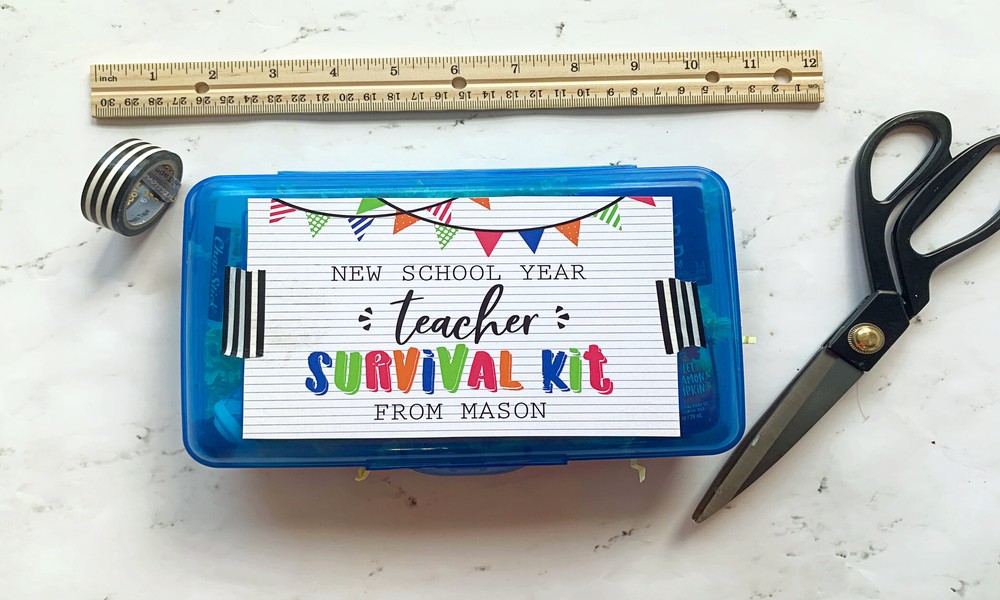
Teaching first grade is joyful and intense. The classroom moves fast each day. Young learners need structure and warmth. A clear plan supports calm learning. A strong survival kit matters. It saves time and reduces stress. It also builds student confidence. The right tools guide each lesson. They help the teacher stay prepared. Now thoughtful materials shape better outcomes.

Essential Classroom Printables

The daily schedule sets clear expectations. A visual timetable reduces confusion. Students see what comes next. Transitions feel smooth and safe. Alphabet charts support early reading skills. Phonics posters reinforce sound patterns. Sight word cards build strong recall. The teacher posts them at eye level. Math number lines encourage counting fluency. Simple behavior charts track positive actions. But consistent use builds reliable routines. These tools create steady structure. Mission.io offers engaging printable activities that align with foundational skills. These materials blend structure with creativity in practical ways.

Literacy and Math Practice Sheets

Reading practice sheets strengthen decoding skills. Short passages build fluency slowly. Comprehension questions check understanding. Writing templates guide sentence structure. Students gain confidence in expression. Math worksheets review addition facts. Simple subtraction pages reinforce number sense. Now spiral review sheets support retention. Carefully designed first grade teacher resources ensure lessons remain aligned with grade level standards and developmental readiness. The teacher selects sheets with clear fonts and spacing. Clean layouts reduce visual stress. Mission.io provides curriculum aligned pages that support differentiated instruction across varied skill levels.

Hands-On Learning Tools

Young learners need tactile experiences. Manipulatives support deeper understanding. Counting blocks teach number value. Letter tiles form simple words. So abstract ideas become concrete. Pattern blocks explore geometry concepts. Small whiteboards allow quick practice. The teacher monitors progress easily. Sometimes sensory bins calm restless hands. Play dough shapes letters and numbers. Now interactive centers build collaboration skills. Mission.io also develops interactive kits that combine printable missions with physical classroom tools. These kits encourage movement and teamwork while reinforcing academic objectives

Creative Enrichment Materials

Art templates inspire creative expression. Seasonal crafts connect lessons to themes. Story sequencing cards spark imagination. Students practice narrative thinking. Science observation sheets guide curiosity. Simple experiment logs track discoveries. The teacher encourages thoughtful questions. Music rhythm cards build listening skills. Dramatic play props enrich language use. Sometimes themed centers refresh engagement. Now project based printables deepen exploration. Balanced enrichment supports whole child growth.

Conclusion

A thoughtful survival kit empowers daily teaching. Strong printables anchor instruction. Hands-on tools spark active learning. Organized systems save precious time. Energy shifts toward student growth. Careful preparation prevents last minute stress. The teacher feels more confident. Students feel secure and ready. Quality materials create lasting impact. With supportive tools in place, first grade classrooms thrive with purpose and joy.

Financial literacy is a critical life skill, yet many students find traditional lessons on budgeting, saving, and investing dry or intimidating. One effective and engaging alternative is using card games as teaching tools.

Card games transform abstract financial concepts into hands-on experiences, helping students learn by doing rather than memorizing definitions.

Why Card Games Work for Financial Education

Card games naturally encourage strategic thinking, decision-making, and risk assessment-skills that closely align with real-world financial behavior. When students draw a card, make a trade, or choose between options, they are practicing the same mental processes used in managing money. Unlike lectures, games provide immediate feedback. A poor decision might lead to losing points or resources, while a smart choice can produce rewards. This cause-and-effect structure helps students quickly grasp the consequences of financial actions.

Another advantage is accessibility. Card games are inexpensive, portable, and easy to adapt for different age groups. Whether in a classroom, after-school program, or workshop, teachers can introduce financial concepts without relying on screens or complex technology.

Key Financial Concepts Taught Through Card Games

Card games can be designed or adapted to teach a wide range of financial topics. Budgeting, for example, can be simulated by giving each player a limited number of cards or tokens representing income. Students must decide how to “spend” their resources while preparing for unexpected events introduced through chance cards. This mirrors real-life budgeting, where planning and flexibility are equally important.

Saving and delayed gratification are also easy to demonstrate. Some games, such as the Monopoly game, reward players who hold onto certain cards instead of using them immediately, showing how patience can lead to greater long-term benefits. Similarly, risk and reward can be illustrated through cards that offer high returns but carry potential losses, helping students understand the basics of investing and speculation.

Encouraging Collaboration and Communication

Many card games involve negotiation, trading, or teamwork. These interactions reflect real financial situations such as business deals, shared expenses, or family budgeting decisions. As students discuss strategies and outcomes, they practice financial vocabulary in a natural context. This strengthens both their understanding of money concepts and their communication skills.

Group play also creates opportunities for reflection. At the end of each round, teachers can lead discussions analyzing which strategies succeeded, which fell short, and the reasons behind them. These conversations help students connect game experiences to real-world financial choices.

Adapting Games for Different Age Levels

For younger students, simply customized card games with colorful visuals and straightforward rules work best. Concepts like earning, spending, and sharing can be introduced using basic mechanics and short play sessions. For middle and high school students, more complex games can incorporate ideas such as credit, interest, insurance, and investing. Teachers can increase difficulty by adding new card types or rule variations as students’ understanding grows.

Customization is key. Educators can modify existing card games or create their own decks to align with curriculum goals. This flexibility allows financial literacy lessons to fit seamlessly into math, social studies, or life skills classes.

Long-Term Impact on Students

Using card games to teach financial literacy does more than make lessons fun-it builds confidence. Students who learn through play are often more willing to take part, ask questions, and experiment with strategies. Over time, this positive exposure reduces anxiety around money topics and encourages responsible financial behavior.

By turning learning into an interactive experience, card games help students develop practical skills they can carry into adulthood. When financial literacy feels approachable and engaging, students are far more likely to remember the lessons and apply them in real life.

The Problem No One Warns 1L Students About

At Berkeley Law, professors talk endlessly about precedent, logic, and legal reasoning. What they don’t mention is how quickly a student’s laptop becomes buried under dozens of case summaries, judicial opinions, briefing notes, and annotated commentaries. For Amanda Ruiz, a 2L preparing for Moot Court, the digital clutter became its own adversary.

Her folder labeled “Moot Court Materials” looked organized from the outside. Open it, and the illusion disappeared. The directory contained 27 separate PDFs ranging from one-page holdings to 45-page dissents, all downloaded at different times and named in different formats—some by the professor, some by Westlaw, some by students in her section who “helpfully” forwarded documents.

The Assignment With No Mercy

Amanda’s team was responsible for arguing the appellant’s position in a simulated First Amendment case. The panel wanted a clean, single PDF containing:

  • All relevant case law
  • A chronological table of decisions
  • Context summaries
  • Her team’s handwritten annotations converted to digital form

The judges weren’t being difficult—they simply didn’t want to flip through 27 attachments. “If you can’t organize your sources,” her professor reminded them, “what confidence should a court have in your argument?”

When Legal Research Turns Into Document Management

Amanda tried, briefly, to compile her notes using Word. The formatting fell apart almost instantly. Headings shifted, citations duplicated themselves, and her neatly scanned annotations appeared at mismatched sizes. She needed structure—not another mess.

That’s when another student mentioned a tool she used during her summer internship. Amanda opened her browser and typed: https://pdfmigo.com

A Different Way to Think About Preparation

Instead of rebuilding her document from scratch, Amanda uploaded every source exactly as it existed: case summaries, full opinions, statutory excerpts, even the PDF of her handwritten margin notes. Seeing them all appear as thumbnails changed everything. The problem wasn’t volume—the problem was arrangement.

She dragged the pages into an order that made sense: earlier decisions first, then modern interpretations, ending with the two landmark opinions her argument relied on. Her annotations were inserted immediately after their corresponding cases. For the first time all semester, her research formed a narrative.

When the structure looked right, she clicked Merge PDF.

The final file—Ruiz_MootCourt_Masterfile.pdf—was clean, chronological, and court-ready.

The Reaction Inside the Moot Court Room

During the team’s oral argument rehearsal, one judge flipped through the masterfile and said, “This is better organized than some real appellate briefs.” Amanda didn’t boast. She didn’t need to. The file spoke for itself—logical, streamlined, readable.

And in a law school environment where clarity is often more valuable than cleverness, that one merged PDF became an edge her whole team relied on.

Why This Approach Matters for Law Students

Legal education rewards students who can interpret complexity, not drown in it. But the administrative burden—unorganized PDFs, inconsistent citations, endless attachments—often obscures the core ideas.

Amanda didn’t merge documents to save time. She merged them to save focus.

And for a profession built on precision, that shift makes all the difference.

Choosing the right school is one of the most important decisions for parents. A strong academic foundation plays a major role in shaping a child’s future, especially during the crucial school years. For many families, cbse schools in Pune remain a top choice due to their structured curriculum, national recognition, and focus on academic consistency.

With many options available, parents often feel confused about how to select the right CBSE school. This guide simplifies the decision-making process by highlighting key factors that define academic excellence.

Why CBSE Curriculum Is Widely Preferred

The Central Board of Secondary Education (CBSE) follows a uniform curriculum across India, making it ideal for families that relocate frequently. The syllabus is designed to build conceptual clarity and prepare students for competitive exams.

CBSE focuses on:

  • Clear understanding of core subjects
  • Logical thinking and problem-solving
  • Balanced academic pressure
  • Strong preparation for national-level exams

This consistency makes cbse schools in Pune a reliable choice for long-term academic planning.

Academic Track Record and Board Results

One of the first things parents should evaluate is the school’s academic performance. Consistent results in board examinations reflect the quality of teaching and learning practices.

While searching for good cbse schools in Pune, parents should look at:

  • Past board examination results
  • Subject-wise performance trends
  • Improvement records over the years
  • Support systems for average learners

Strong academic outcomes usually indicate structured teaching methods and student-focused guidance.

Faculty Quality and Teaching Approach

Teachers play a central role in a child’s academic journey. Experienced and well-trained educators ensure that students understand concepts rather than memorize answers.

Quality CBSE schools focus on:

  • Qualified subject teachers
  • Regular teacher training programs
  • Interactive teaching methods
  • Clear doubt-solving sessions

Schools that encourage open discussions and questions help students build confidence and deeper understanding.

Infrastructure That Supports Learning

A good learning environment goes beyond classrooms. Well-equipped facilities help students apply theoretical knowledge practically.

Parents evaluating cbse schools in Pune should check for:

  • Science and computer laboratories
  • Well-stocked libraries
  • Smart classrooms or digital tools
  • Clean, safe, and organized premises

Good infrastructure enhances interest in learning and supports academic growth.

Focus on Senior Secondary Education (11th and 12th)

Choosing the right school becomes even more critical at the senior secondary level. These years shape career paths and higher education opportunities.

Parents looking for cbse schools in Pune for 11th and 12th should consider:

  • Availability of science, commerce, and humanities streams
  • Subject combinations and flexibility
  • Exam preparation support
  • Guidance for competitive exams

Schools that provide strong academic mentoring during these years help students make informed career decisions.

Student Support and Academic Guidance

Academic excellence is not only about high achievers. Good schools support students at every learning level.

Strong CBSE schools offer:

  • Remedial classes for weak students
  • Extra practice sessions
  • One-on-one academic counseling
  • Regular parent-teacher communication

This support system ensures that no student feels left behind.

Balanced Approach Between Academics and Activities

While academics are important, students also need physical activity, creativity, and mental relaxation. A balanced routine improves focus and reduces stress.

Many good schools in Pune integrate:

  • Sports and physical education
  • Arts, music, and cultural activities
  • Debate, quiz, and academic clubs
  • Leadership and teamwork opportunities

This balance helps students perform better academically while developing confidence and discipline.

Discipline, Values, and School Culture

Academic success is closely linked to discipline and values. A positive school culture promotes responsibility, respect, and consistency in students.

Parents should observe:

  • Classroom discipline
  • Student behavior and ethics
  • School policies and code of conduct
  • Emphasis on moral education

Schools that focus on character development alongside academics create well-rounded individuals.

Parent Involvement and Communication

Transparent communication between school and parents builds trust. Regular updates on academic progress help parents support learning at home.

Effective CBSE schools maintain:

  • Open communication channels
  • Regular academic feedback
  • Scheduled parent-teacher meetings
  • Clear assessment systems

This partnership strengthens the child’s academic journey.

Location and Accessibility

Daily travel time affects a student’s energy and focus. Parents should consider schools that are accessible and safe for daily commuting.

When choosing among cbse schools in Pune, location, transport facilities, and safety measures should be practical and convenient.

Final Thoughts

Selecting the right CBSE school requires careful evaluation of academics, faculty, infrastructure, and student support systems. With the right environment, students can build strong foundations and achieve long-term success. As demand continues to grow, cbse schools in Pune for 11th and 12th that focus on quality education, guidance, and balanced development stand out as reliable choices for parents seeking academic excellence for their children.

In a world where data flows like an unstoppable river, Artificial Intelligence (AI) has become the dam that channels and directs this flow into meaningful insight. But what happens when you want that intelligence to run on something no bigger than a matchbox—say, a smartwatch, a medical sensor, or a drone? That’s where TinyML and Edge AI step in. They take the vast capabilities of machine learning and compress them into lightweight forms that thrive even with limited power and memory.

This isn’t just about shrinking AI—it’s about redefining how intelligence can exist everywhere, from the cloud to the palm of your hand.

The Rise of TinyML: Making Machines Smarter, Smaller

TinyML (Tiny Machine Learning) is like teaching a hummingbird to think like an eagle. It enables small, power-efficient devices to process data locally instead of depending on distant servers. This shift matters because sending data to the cloud for analysis consumes time, bandwidth, and energy—resources not always available on edge devices.

Imagine a fitness tracker that detects heart irregularities in real-time, or an industrial sensor that predicts equipment failure before it happens—all without needing an internet connection. That’s the promise of TinyML.

For learners eager to understand how such transformations are engineered, structured training such as an AI course in Mumbai provides foundational insights into how models are developed, pruned, and deployed efficiently.

Edge AI: Intelligence Without the Internet

If TinyML is the art of minimising intelligence, Edge AI is about empowering it to act independently. In essence, Edge AI allows models to run directly on local devices—closer to where data is generated.

Consider autonomous vehicles. They cannot afford to send every decision to a cloud server and wait for approval. Edge AI ensures instant response—like a human reflex—by performing calculations right at the source.

This approach not only reduces latency but also strengthens data privacy, as sensitive information never leaves the device. From retail analytics cameras to smart agriculture tools, Edge AI drives the shift toward real-time, decentralised intelligence.

Compression and Quantisation: The Art of Making Models Lean

Building models that fit into small chips is a delicate dance between accuracy and efficiency. Compression techniques—like pruning, quantisation, and weight sharing—trim the unnecessary layers of neural networks without sacrificing their brainpower.

For example, pruning removes redundant connections, while quantisation replaces 32-bit floating-point numbers with lighter representations. The result? Models that consume less power and occupy a fraction of the original size.

Developers use these optimisations to bring intelligence into everyday objects—from coffee machines that learn user preferences to security cameras that identify motion patterns. This process transforms ordinary electronics into responsive, learning systems capable of decision-making.

Deployment Challenges: When Small Devices Do Big Thinking

Despite its promise, deploying TinyML models isn’t as simple as shrinking code. Memory constraints, processing limitations, and power efficiency all demand precision engineering.

Developers must balance trade-offs between performance and feasibility—choosing the right algorithms, compression levels, and hardware configurations. A misstep could mean a model that drains battery too fast or misclassifies vital information.

Hands-on exposure to such constraints can be gained through advanced learning paths like an AI course in Mumbai, where learners work with real-world datasets and edge devices to understand these nuances.

The Future of Tiny Intelligence

TinyML and Edge AI represent the next frontier of computing—where intelligence is no longer confined to large servers but embedded seamlessly into our surroundings. The future will see smart cities powered by edge sensors, healthcare devices that monitor patients continuously, and energy-efficient machines that learn from every action they perform.

What makes this transformation remarkable is that intelligence is no longer a distant concept; it’s local, personal, and instantly responsive.

Conclusion

As technology continues to evolve, TinyML and Edge AI redefine what it means to make machines “smart.” They bring the power of AI to devices once considered too small or too weak to compute complex algorithms. By mastering compression, optimisation, and deployment strategies, professionals can create a world where every device—from wearables to vehicles—acts with intelligence and autonomy.

For those inspired to shape this future, understanding the principles of miniaturised intelligence through a guided learning path can open doors to exciting innovation. The journey begins not in the cloud but at the edge—where small truly becomes mighty.


The modern enterprise runs on data, yet very few truly understand the subterranean pathways this critical resource travels. In an age defined by velocity and volume, data is no longer held captive in simple spreadsheets; it is a wild, tempestuous river flowing through complex networks, transforming at every turn. When trust falters when a key metric is wrong, or an audit is imminent we need more than just hope; we need a map.

This is the imperative of Data Lineage Visualization: the process of creating a dynamic, visual blueprint of data flow, from its initial source (the ‘source’) through every modification, aggregation, and calculation, to its final destination (the ‘sink’).

To navigate this landscape requires a special kind of expertise. Data Science, at its heart, is not merely statistical analysis; it is the craft of the Master Cartographer. It is the ability to gaze upon an unseen economic ecosystem, identifying hidden tributaries and turbulent confluence points, and drawing the maps that determine corporate productivity, regulatory compliance, and ultimate success. Without this foundational mapping, even the most advanced insights are built on shifting sands.

The Detective Work: Identifying the Chain of Causality

Data lineage is the forensic record of information. Every data point has a history, a digital DNA that dictates its present form. Organizations that neglect robust lineage are essentially flying blind, unable to definitively answer the fundamental question: Why does this number look this way?

When errors occur a critical sales figure is overstated, or a compliance report is skewed data lineage visualisation transforms the painful process of “root cause analysis” into a swift act of digital archaeology. By tracing the flow backwards, analysts can pinpoint the exact transformation script, manual input, or system failure that corrupted the data.

This comprehensive trial is vital, especially given mounting regulatory pressure. Whether facing demands related to privacy (GDPR, CCPA) or financial accountability, auditors increasingly demand an unimpeachable record showing exactly how sensitive data was treated, where it moved, and who touched it. Without a clear chain of custody, the regulatory penalties can be severe.

Unmasking the Black Box: The Visualization Imperative

For decades, tracking data flow meant sifting through reams of transformation logs, ETL scripts, and database metadata a painstaking, error-prone effort. Visualization changes the game. It transcends text-based documentation by providing an interactive, graphical representation of the entire data pipeline.

Imagine a complex manufacturing process documented not by thousands of pages of technical specifications, but by a single, living blueprint that highlights the exact pressure and temperature at every stage. This is what lineage visualization offers. It translates technical metadata schema changes, stored procedures, join operations into easily digestible nodes and directional arrows.

This clear visual narrative drastically shortens the learning curve for new team members and enables non-technical stakeholders to understand the impact of data changes. Professionals seeking to master these analytical interpretation skills often start with a foundational Data Analytics Course to understand both the methodology and the tools required to build and interpret these complex maps. The visualization layer provides the necessary context to move from raw data management to strategic governance.

The Anatomy of the Data River: Granularity and Context

A truly effective lineage map must operate at multiple levels of granularity. At the macro level, it should display the flow between major applications (e.g., CRM to Data Warehouse to Reporting Tool). At the micro level, it must track column-to-column mapping, showing precisely which field in the source system contributes to which field in the final report.

We must also distinguish between Technical Lineage (the automated tracking of system processes) and Business Lineage (the human-readable context showing ownership and business rules applied). The visualization must integrate both, highlighting not only where a column was moved but why it was transformed for instance, noting that a field represents ‘Year-to-Date Revenue excluding returns over 90 days.’

For those serious about building and maintaining these complex data structures in highly competitive markets, specialist education is often necessary. A comprehensive Data Analyst Course in Delhi, for example, would cover the specific tools and techniques needed to map vast, disparate data environments common in large organizations. Mastering this mapping is key to maintaining data integrity across the organization.

Beyond Compliance: Optimizing the Flow

While governance and compliance are critical drivers for data lineage visualization, the most significant long-term returns lie in optimization. Data mapping reveals inefficiencies and bottlenecks that are invisible in standard performance monitoring.

For instance, a lineage map might reveal that five different dashboards are running transformation logic based on the same raw input, generating redundant computing cycles. By centralizing that transformation and feeding all five downstream processes from a single trusted node, organizations can dramatically reduce latency and cut cloud infrastructure costs.

Furthermore, when a data source system undergoes maintenance or replacement, the visualization tool instantly highlights every single downstream report, application, and process that will be impacted. This proactive impact analysis allows engineering teams to prepare fixes simultaneously, preventing widespread system downtime and safeguarding the reliability of mission-critical reporting.

Establishing the Foundation of Trust

Data lineage visualization is more than a technical tool; it is the cornerstone of data trust. By providing unequivocal transparency into the life cycle of every piece of information, organizations move away from reliance on tribal knowledge and toward verifiable, evidence-based systems.

To leverage these sophisticated tools and transition from simply managing data to governing it strategically, continuous education is paramount. Whether you are aiming to improve your technical proficiency through an advanced Data Analytics Course, or seeking specialized regional training via a recognized Data Analyst Course in Delhi, empowering your teams to understand and utilize these living data blueprints is the vital next step in achieving true data mastery. Ultimately, mapping the data flow secures not just the data, but the integrity and future decision-making capability of the entire enterprise.

Business Name: ExcelR – Data Science, Data Analyst, Business Analyst Course Training in Delhi

Address: M 130-131, Inside ABL Work Space,Second Floor, Connaught Cir, Connaught Place, New Delhi, Delhi 110001

Phone: 09632156744

Business Email: [email protected]