
Warehouse managers need reliable insights into how space and energy are used to make informed operational decisions. Manual tracking is often inefficient and prone to error, so automated monitoring systems provide a practical solution for maintaining visibility without increasing staff workload.
Using Sensors for Occupancy Detection
Automated occupancy monitoring relies on sensors that detect the presence of personnel or activity in a given area. Motion detectors, infrared sensors, and smart cameras can provide accurate data on which zones are in use and when. This information allows lighting, HVAC, and other systems to operate only when needed, reducing energy waste.
Switchgear integration enhances occupancy monitoring by providing visibility into how electrical loads fluctuate with occupancy patterns. Understanding the correlation between people and equipment use helps managers identify opportunities for energy optimization.
Integrating Energy Monitoring Devices
Energy monitoring devices track electricity consumption in real-time. Smart meters, sub-meters, and IoT-enabled devices capture data from specific circuits, equipment, or entire facilities. Combining this information with occupancy data allows managers to see how energy use correlates with operational activity.
This automated approach makes it easier to identify anomalies, such as equipment running unnecessarily or lighting zones left on when no one is present.
Leveraging Industrial Automation
Automation systems can use occupancy and energy data to control building systems automatically. Lighting, heating, ventilation, and cooling can be adjusted dynamically based on actual usage, rather than relying on fixed schedules. Equipment can be shut down during periods of inactivity, reducing both energy costs and wear on machinery.
Industrial automation ensures consistent application of these rules across shifts and zones, minimizing human error and enhancing efficiency.
Centralized Monitoring and Dashboards
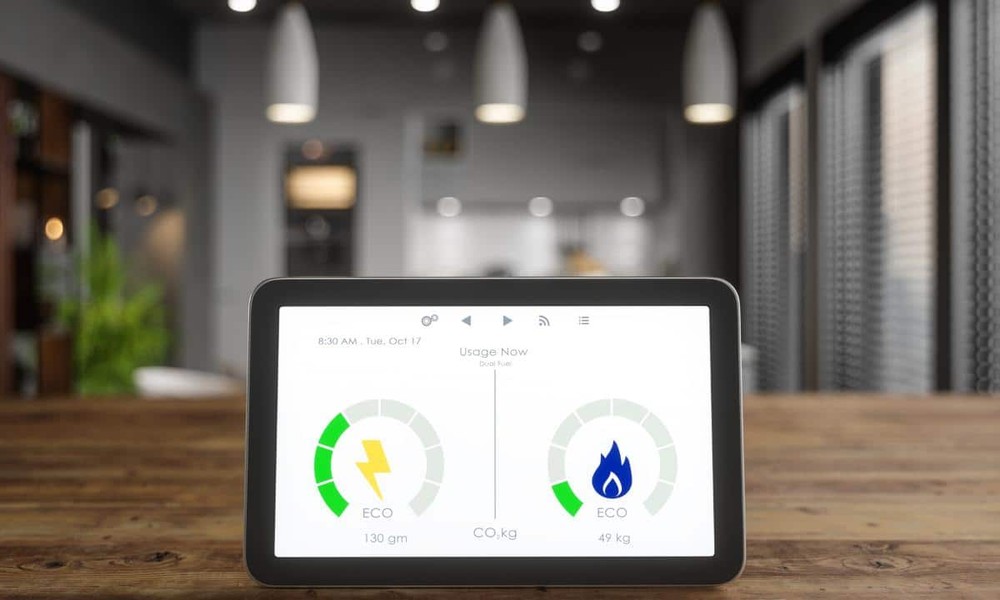
Centralized dashboards display occupancy and energy data in an intuitive format. Managers can track usage across multiple areas or facilities from a single interface. Historical trends, peak demand periods, and energy-intensive zones become visible, supporting data-driven decisions.
Dashboards also provide alerts when usage patterns deviate from expectations, enabling quick intervention to prevent waste or address operational issues.
Supporting Multi-Site Operations
For organizations with several warehouses, automated monitoring provides consistency across sites. Data collected from each location can be aggregated and compared, allowing managers to identify best practices and replicate them elsewhere. Standardized metrics ensure fair and actionable comparisons.
Switchgear data incorporated into the monitoring system ensures that electrical distribution is considered alongside occupancy, improving the accuracy of energy management strategies.
Training Staff to Respond to Data
Automated systems generate valuable insights only if staff understand how to act on them. Operators and maintenance teams should be trained to interpret dashboard information, respond to alerts, and make adjustments as needed. Clear protocols help ensure that energy-saving measures are applied consistently.
Continuous Evaluation and Optimization
Automated occupancy and energy monitoring provides a foundation for continuous improvement. By regularly reviewing data and analyzing trends, managers can fine-tune schedules, equipment settings, and operational procedures. Incremental changes based on reliable data lead to measurable energy savings and more efficient space utilization.
Achieving Efficiency Through Automation
Monitoring occupancy and energy use automatically allows warehouse managers to optimize operations without adding manual tracking tasks. Combining sensor data, energy monitoring devices, switchgear insights, and industrial automation delivers actionable intelligence that supports smarter, more efficient facility management. Over time, these systems create a sustainable approach to reducing costs and improving operational performance.

Comments are closed.