
Archive

February 2026

Browsing

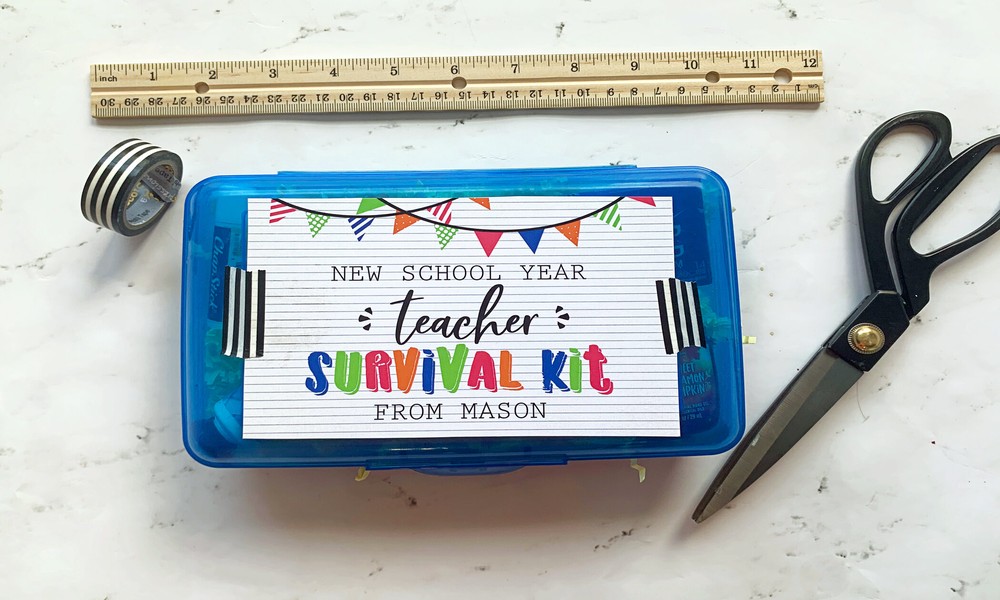
Teaching first grade is joyful and intense. The classroom moves fast each day. Young learners need structure and warmth. A clear plan supports calm learning. A strong survival kit matters. It saves time and reduces stress. It also builds student confidence. The right tools guide each lesson. They help the teacher stay prepared. Now thoughtful materials shape better outcomes.

Essential Classroom Printables

The daily schedule sets clear expectations. A visual timetable reduces confusion. Students see what comes next. Transitions feel smooth and safe. Alphabet charts support early reading skills. Phonics posters reinforce sound patterns. Sight word cards build strong recall. The teacher posts them at eye level. Math number lines encourage counting fluency. Simple behavior charts track positive actions. But consistent use builds reliable routines. These tools create steady structure. Mission.io offers engaging printable activities that align with foundational skills. These materials blend structure with creativity in practical ways.

Literacy and Math Practice Sheets

Reading practice sheets strengthen decoding skills. Short passages build fluency slowly. Comprehension questions check understanding. Writing templates guide sentence structure. Students gain confidence in expression. Math worksheets review addition facts. Simple subtraction pages reinforce number sense. Now spiral review sheets support retention. Carefully designed first grade teacher resources ensure lessons remain aligned with grade level standards and developmental readiness. The teacher selects sheets with clear fonts and spacing. Clean layouts reduce visual stress. Mission.io provides curriculum aligned pages that support differentiated instruction across varied skill levels.

Hands-On Learning Tools

Young learners need tactile experiences. Manipulatives support deeper understanding. Counting blocks teach number value. Letter tiles form simple words. So abstract ideas become concrete. Pattern blocks explore geometry concepts. Small whiteboards allow quick practice. The teacher monitors progress easily. Sometimes sensory bins calm restless hands. Play dough shapes letters and numbers. Now interactive centers build collaboration skills. Mission.io also develops interactive kits that combine printable missions with physical classroom tools. These kits encourage movement and teamwork while reinforcing academic objectives

Creative Enrichment Materials

Art templates inspire creative expression. Seasonal crafts connect lessons to themes. Story sequencing cards spark imagination. Students practice narrative thinking. Science observation sheets guide curiosity. Simple experiment logs track discoveries. The teacher encourages thoughtful questions. Music rhythm cards build listening skills. Dramatic play props enrich language use. Sometimes themed centers refresh engagement. Now project based printables deepen exploration. Balanced enrichment supports whole child growth.

Conclusion

A thoughtful survival kit empowers daily teaching. Strong printables anchor instruction. Hands-on tools spark active learning. Organized systems save precious time. Energy shifts toward student growth. Careful preparation prevents last minute stress. The teacher feels more confident. Students feel secure and ready. Quality materials create lasting impact. With supportive tools in place, first grade classrooms thrive with purpose and joy.
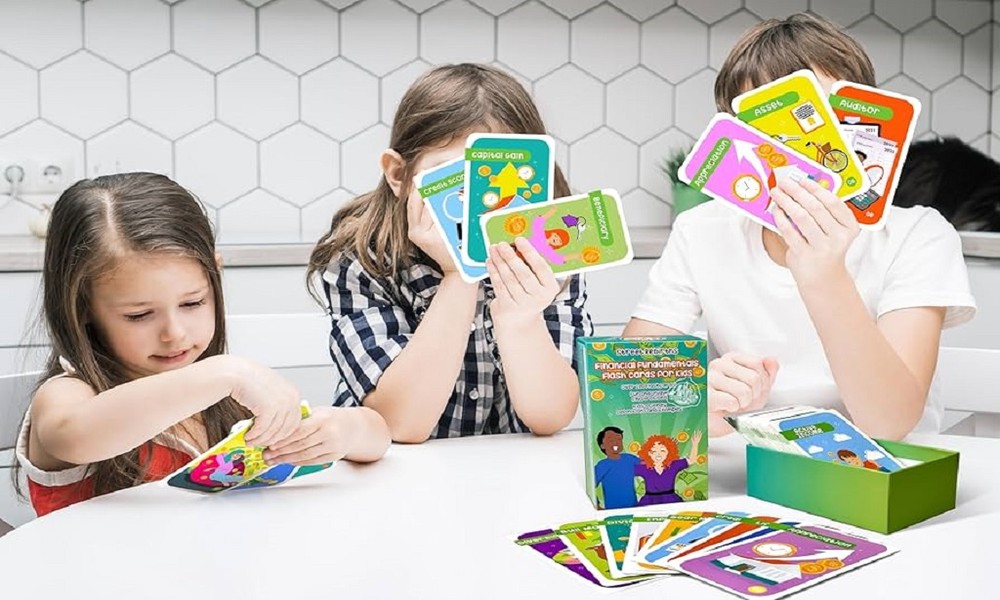
Financial literacy is a critical life skill, yet many students find traditional lessons on budgeting, saving, and investing dry or intimidating. One effective and engaging alternative is using card games as teaching tools.

Card games transform abstract financial concepts into hands-on experiences, helping students learn by doing rather than memorizing definitions.

Why Card Games Work for Financial Education

Card games naturally encourage strategic thinking, decision-making, and risk assessment-skills that closely align with real-world financial behavior. When students draw a card, make a trade, or choose between options, they are practicing the same mental processes used in managing money. Unlike lectures, games provide immediate feedback. A poor decision might lead to losing points or resources, while a smart choice can produce rewards. This cause-and-effect structure helps students quickly grasp the consequences of financial actions.

Another advantage is accessibility. Card games are inexpensive, portable, and easy to adapt for different age groups. Whether in a classroom, after-school program, or workshop, teachers can introduce financial concepts without relying on screens or complex technology.

Key Financial Concepts Taught Through Card Games

Card games can be designed or adapted to teach a wide range of financial topics. Budgeting, for example, can be simulated by giving each player a limited number of cards or tokens representing income. Students must decide how to “spend” their resources while preparing for unexpected events introduced through chance cards. This mirrors real-life budgeting, where planning and flexibility are equally important.

Saving and delayed gratification are also easy to demonstrate. Some games, such as the Monopoly game, reward players who hold onto certain cards instead of using them immediately, showing how patience can lead to greater long-term benefits. Similarly, risk and reward can be illustrated through cards that offer high returns but carry potential losses, helping students understand the basics of investing and speculation.

Encouraging Collaboration and Communication

Many card games involve negotiation, trading, or teamwork. These interactions reflect real financial situations such as business deals, shared expenses, or family budgeting decisions. As students discuss strategies and outcomes, they practice financial vocabulary in a natural context. This strengthens both their understanding of money concepts and their communication skills.

Group play also creates opportunities for reflection. At the end of each round, teachers can lead discussions analyzing which strategies succeeded, which fell short, and the reasons behind them. These conversations help students connect game experiences to real-world financial choices.

Adapting Games for Different Age Levels

For younger students, simply customized card games with colorful visuals and straightforward rules work best. Concepts like earning, spending, and sharing can be introduced using basic mechanics and short play sessions. For middle and high school students, more complex games can incorporate ideas such as credit, interest, insurance, and investing. Teachers can increase difficulty by adding new card types or rule variations as students’ understanding grows.

Customization is key. Educators can modify existing card games or create their own decks to align with curriculum goals. This flexibility allows financial literacy lessons to fit seamlessly into math, social studies, or life skills classes.

Long-Term Impact on Students

Using card games to teach financial literacy does more than make lessons fun-it builds confidence. Students who learn through play are often more willing to take part, ask questions, and experiment with strategies. Over time, this positive exposure reduces anxiety around money topics and encourages responsible financial behavior.

By turning learning into an interactive experience, card games help students develop practical skills they can carry into adulthood. When financial literacy feels approachable and engaging, students are far more likely to remember the lessons and apply them in real life.