
Author

David D. Dickison

Browsing

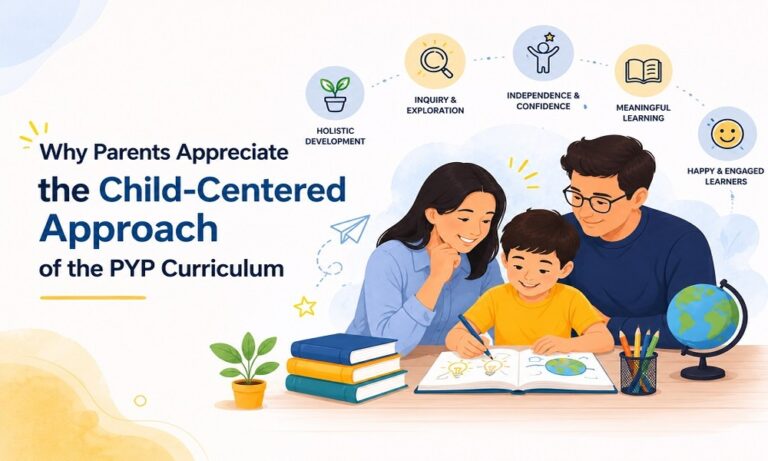
The Primary Years Programme (PYP) is widely recognized for its child-centered philosophy, where learning is designed around the needs, interests, and developmental stages of young learners. Unlike traditional methods that focus mainly on rote learning, the PYP encourages curiosity, exploration, and meaningful understanding through inquiry-based education. This approach helps children build strong conceptual foundations while developing confidence and independence from an early age.

One of the key reasons parents value the IB MYP learning pathway is its natural progression from early inquiry-based learning into more structured critical thinking and concept application. In the earlier years, children experience learning that is highly interactive and student-driven, which prepares them well for the increasing academic depth and analytical expectations they encounter later. This continuity within the IB framework reassures parents that their child is not just memorizing content, but developing lifelong learning skills step by step.

A major strength of the PYP approach is its emphasis on the whole child. Academic growth is balanced with social, emotional, and physical development, ensuring that children do not feel overwhelmed by academics alone. Through collaborative projects, hands-on activities, and real-world connections, students learn to communicate effectively, work in teams, and express their ideas with clarity. These communication skills become especially important as they transition into advanced stages of the IB MYP, where presentations, research tasks, and discussions play a bigger role in learning.

Parents also appreciate how the PYP builds learner independence. Instead of relying solely on teacher instruction, children are encouraged to ask questions, investigate topics, and reflect on their learning. This sense of ownership helps them become more responsible and self-motivated. Over time, this independence supports smoother adaptation to the IB MYP, where students are expected to manage assignments, think critically, and connect ideas across subjects.

Another important aspect of the PYP curriculum is its focus on real-world learning. Lessons are designed around global themes that help students understand how their learning connects to everyday life. Whether exploring environmental issues, cultural diversity, or scientific concepts, children develop a broader perspective of the world. This global mindset is highly valued by parents, as it prepares students for future academic challenges in the IB MYP and beyond.

Assessment in the PYP is also more flexible and supportive compared to traditional systems. Instead of relying heavily on exams, children are evaluated through projects, observations, presentations, and reflective tasks. This reduces pressure while allowing teachers to understand each child’s progress in a more meaningful way. Parents often find this approach reassuring, as it highlights growth and development rather than competition and ranking.

The strong communication between school and parents is another reason why families appreciate the PYP. Regular feedback, learning updates, and collaborative involvement ensure that parents remain active participants in their child’s educational journey. This partnership strengthens the learning experience and builds trust in the overall system.

In conclusion, parents appreciate the child-centered approach of the PYP curriculum because it nurtures curiosity, independence, and holistic development while laying a strong foundation for future academic success. Its seamless alignment with the IB MYP ensures that children transition smoothly into more advanced learning stages with confidence, clarity, and well-developed skills that prepare them for lifelong learning.


Financial literacy is a critical life skill, yet many students find traditional lessons on budgeting, saving, and investing dry or intimidating. One effective and engaging alternative is using card games as teaching tools.

Card games transform abstract financial concepts into hands-on experiences, helping students learn by doing rather than memorizing definitions.

Why Card Games Work for Financial Education

Card games naturally encourage strategic thinking, decision-making, and risk assessment-skills that closely align with real-world financial behavior. When students draw a card, make a trade, or choose between options, they are practicing the same mental processes used in managing money. Unlike lectures, games provide immediate feedback. A poor decision might lead to losing points or resources, while a smart choice can produce rewards. This cause-and-effect structure helps students quickly grasp the consequences of financial actions.

Another advantage is accessibility. Card games are inexpensive, portable, and easy to adapt for different age groups. Whether in a classroom, after-school program, or workshop, teachers can introduce financial concepts without relying on screens or complex technology.

Key Financial Concepts Taught Through Card Games

Card games can be designed or adapted to teach a wide range of financial topics. Budgeting, for example, can be simulated by giving each player a limited number of cards or tokens representing income. Students must decide how to “spend” their resources while preparing for unexpected events introduced through chance cards. This mirrors real-life budgeting, where planning and flexibility are equally important.

Saving and delayed gratification are also easy to demonstrate. Some games, such as the Monopoly game, reward players who hold onto certain cards instead of using them immediately, showing how patience can lead to greater long-term benefits. Similarly, risk and reward can be illustrated through cards that offer high returns but carry potential losses, helping students understand the basics of investing and speculation.

Encouraging Collaboration and Communication

Many card games involve negotiation, trading, or teamwork. These interactions reflect real financial situations such as business deals, shared expenses, or family budgeting decisions. As students discuss strategies and outcomes, they practice financial vocabulary in a natural context. This strengthens both their understanding of money concepts and their communication skills.

Group play also creates opportunities for reflection. At the end of each round, teachers can lead discussions analyzing which strategies succeeded, which fell short, and the reasons behind them. These conversations help students connect game experiences to real-world financial choices.

Adapting Games for Different Age Levels

For younger students, simply customized card games with colorful visuals and straightforward rules work best. Concepts like earning, spending, and sharing can be introduced using basic mechanics and short play sessions. For middle and high school students, more complex games can incorporate ideas such as credit, interest, insurance, and investing. Teachers can increase difficulty by adding new card types or rule variations as students’ understanding grows.

Customization is key. Educators can modify existing card games or create their own decks to align with curriculum goals. This flexibility allows financial literacy lessons to fit seamlessly into math, social studies, or life skills classes.

Long-Term Impact on Students

Using card games to teach financial literacy does more than make lessons fun-it builds confidence. Students who learn through play are often more willing to take part, ask questions, and experiment with strategies. Over time, this positive exposure reduces anxiety around money topics and encourages responsible financial behavior.

By turning learning into an interactive experience, card games help students develop practical skills they can carry into adulthood. When financial literacy feels approachable and engaging, students are far more likely to remember the lessons and apply them in real life.

Chronic illness management requires consistent medical oversight, regular monitoring, and ongoing treatment adjustments that traditional healthcare systems often struggle to provide efficiently. Virtual healthcare platforms have revolutionised chronic disease care by offering continuous access to medical professionals who can track symptoms, adjust medications, and provide guidance between traditional office visits. Remote consultations using NextClinic help reduce delays and support regular health tracking. This consistent access proves particularly valuable for conditions requiring frequent monitoring and medication adjustments that benefit from ongoing medical supervision and support.

Continuous monitoring capabilities

Through online doctors facilitate real-time health tracking through digital tools that monitor vital signs, symptoms, and medication effects between scheduled appointments. Patients can report daily measurements like blood pressure, blood glucose levels, weight changes, and symptom severity through secure platforms that healthcare providers review regularly. Medical professionals can use this continuous data stream to identify serious complications before they require emergency intervention. Remote monitoring systems enable healthcare providers to adjust treatment plans based on actual patient data rather than relying solely on periodic office visit snapshots. Chronic diseases like diabetes, hypertension, and heart disease benefit from daily monitoring provided by virtual platforms and connected medical devices. This ongoing oversight helps prevent hospitalizations while optimizing medication effectiveness through real-time feedback loops.

Medication management support

Virtual healthcare platforms streamline prescription management for chronic conditions requiring multiple medications with complex dosing schedules and potential interactions. Online doctors adjust medication timing, dosages, and combinations based on patient feedback and monitoring data without requiring office visits for minor modifications. This flexibility is essential for chronic conditions where medication changes frequently based on symptom progression and treatment response.

  • Monitor medication side effects and efficacy through regular virtual check-ins with healthcare providers
  • Receive prescription refills and adjustments without scheduling traditional office appointments
  • Access medication education and counselling to improve adherence and treatment understanding
  • Coordinate complex medication regimens involving multiple prescriptions from different specialists
  • Report adverse reactions promptly for immediate medication adjustments and safety monitoring

Lifestyle intervention guidance

Online doctors provide ongoing lifestyle counselling that supports chronic disease management through dietary modifications, exercise recommendations, and stress management techniques tailored to specific medical conditions. Virtual consultations allow healthcare providers to assess living environments, discuss daily routines, and provide personalized recommendations that fit individual circumstances and limitations. This comprehensive approach addresses chronic illness management beyond medication alone. Chronic conditions often require significant lifestyle changes that benefit from regular professional guidance and motivational support that virtual platforms can provide efficiently. Healthcare providers can review food diaries, exercise logs, and stress management progress through digital platforms while offering practical suggestions for sustainable behavior modifications.

Emergency prevention protocols

Online doctors help chronic illness patients recognize early warning signs that require immediate attention while providing clear protocols for escalating care when necessary. Virtual platforms enable rapid consultation for concerning symptoms that might indicate disease progression or complications requiring urgent intervention. This early intervention capability often prevents emergency room visits and hospitalizations through timely treatment adjustments. Virtual chronic illness management through online doctors creates sustainable healthcare relationships that support long-term disease control while improving the quality of life for patients managing complex medical conditions.

Automated balance tracking systems provide proactive notifications that protect gift card holders from losing unused funds through expiration oversight. These digital monitoring platforms connect with gift card databases to send timely alerts before expiration dates arrive. Regular access to www.giftcardmall.com/mygift supports better decision-making when using prepaid gift cards.

Smart notification scheduling

Intelligent reminder systems calculate optimal notification timing based on card expiration dates, remaining balances, and historical usage patterns to maximize the effectiveness of expiration alerts. These systems typically send initial warnings 90 days before expiration, followed by progressively more frequent reminders as deadlines approach. The escalating notification schedule ensures cardholders can use the remaining funds while avoiding alert fatigue from excessive messaging. Personalised timing algorithms analyse individual spending behaviours to customise reminder schedules that align with each cardholder’s shopping preferences and decision-making timelines. Some users prefer early warnings that allow extensive planning, while others respond better to urgent notifications that prompt immediate action. These behavioral adaptations improve reminder effectiveness while reducing unnecessary communication volume.

Calendar integration capabilities

  • Automatic event creation – Systems generate calendar entries with expiration dates that appear in users’ scheduling applications
  • Recurring reminders – Multiple alert points leading up to expiration dates ensure ongoing awareness without relying on single notifications
  • Mobile synchronization – Calendar entries sync across devices to maintain awareness regardless of which device users access throughout their daily routines
  • Custom alert tones – Distinct notification sounds help expiration warnings stand out from general calendar notifications and email alerts

Calendar integration transforms passive expiration dates into active scheduling elements that compete for attention alongside other important personal and professional commitments users manage.

Multi-card portfolio management

Comprehensive tracking systems monitor entire gift card collections through unified dashboards that display all cards, balances, and expiration dates in organized, easily scannable formats. These portfolio views prevent individual cards from being forgotten within larger collections while highlighting which cards require immediate attention based on expiration proximity and remaining value. Advanced sorting and filtering options help users prioritize card usage based on expiration dates, balance amounts, or retailer preferences. Visual indicators like colour coding and progress bars make it easy to identify cards approaching expiration at a glance without requiring a detailed examination of individual expiration dates or balance information.

Usage pattern analytics

Historical transaction analysis helps predict optimal reminder timing by identifying when individual users typically make purchases relative to expiration dates. These patterns reveal whether users prefer to spend gift cards quickly after receiving reminders or wait until closer to expiration deadlines before taking action. Spending velocity calculations estimate how long remaining balances might last have based on previous usage patterns, allowing systems to provide more accurate guidance about when users should begin planning their final purchases. This predictive capability helps prevent premature panic about approaching expirations and last-minute rushed spending that might not reflect valid preferences.

Emergency rescue protocols

  1. Grace period notifications – Final warnings about cards expiring within days include specific instructions for immediate usage or balance transfers.
  2. Customer service escalation – Automated systems trigger human intervention for high-value cards approaching expiration to ensure personal assistance.
  3. Extension request guidance – Information about potential expiration date extensions is available through customer service channels.
  4. Partial usage strategies – Suggestions for effectively combining expiring cards with other payment methods to use remaining balances.
  5. Documentation assistance – Automated generation of transaction histories and proof of card ownership to support extension requests.

Effective gift card tracking systems transform expiration dates from hidden threats into manageable deadlines through proactive communication and comprehensive portfolio management that preserves the full value of thoughtful gifts.

Finding the right English tuition program for your child can significantly impact their learning journey. With various options available in Singapore, making an informed choice that aligns with your child’s needs is essential. This guide outlines key considerations to help you select the most suitable program.

Identify Your Child’s Learning Needs

The first step is understanding your child’s academic strengths and areas for improvement. Consider their current proficiency in reading, writing, comprehension, and grammar. Knowing their needs will help determine whether they require a general English tutor in Singapore or specialised coaching, such as support for specific exams or advanced skills.

Evaluate Class Size and Learning Environment

Class size is critical to how much individual attention your child receives. Smaller class sizes are typically more effective, allowing tutors to focus on each student’s progress. Ensure the tuition centre provides a structured and supportive environment conducive to learning, with minimal distractions and clear goals for each session.

Assess the Tutor’s Qualifications and Experience

A competent English tutor in Singapore should have relevant qualifications, teaching experience, and a proven track record of helping students succeed. Please inquire about the tutor’s teaching approach and familiarity with the local curriculum. A tutor who understands students’ challenges in Singapore can better address your child’s needs.

Check for Curriculum Alignment

Ensure the program aligns with the syllabus used in your child’s school. A well-structured curriculum tailored to the Singapore education system ensures your child learns topics and skills relevant to their exams and overall academic success. Tuition that diverges from this can confuse and hinder progress.

Observe Teaching Methods and Strategies

English Tuition

Effective tuition programs employ diverse teaching strategies to cater to different learning styles. Look for programs that include interactive lessons, regular practice exercises, and constructive feedback. This combination reinforces understanding and builds confidence in using the English language.

Consider Flexibility in Scheduling

Flexibility in class schedules is essential to accommodate your child’s commitments, such as school and extracurricular activities. Many English tuition Singapore programs offer options for evening or weekend classes. Confirm that the schedule aligns with your child’s availability and does not cause unnecessary stress.

Review Feedback and Testimonials

Seek feedback from parents whose children have attended the tuition program. Honest reviews provide insights into the program’s effectiveness and highlight its strengths and weaknesses. You may also request references from the tuition centre to validate their claims.

Analyse Costs and Value

Tuition fees vary widely, so it’s essential to ensure the program provides good value for money. Compare fees among centres while considering the tutor’s qualifications, the teaching resources provided, and the results achieved by past students. Opt for a program that balances affordability with quality education.

Assess Student Progress Monitoring

A good English tuition program should include regular progress assessments to track your child’s development. Progress reports, tests, and one-on-one consultations help identify areas that need further attention, ensuring the tuition remains relevant to your child’s goals.

Trial Lessons and Observation

Arrange for a trial lesson to gauge how well the tutor interacts with your child. Observation can provide valuable insights into whether the teaching style matches your child’s learning preferences and whether your child feels comfortable in the environment.

Final Thoughts

Choosing the right English tuition program in Singapore requires careful consideration of your child’s needs, the tutor’s qualifications, and the program’s alignment with school objectives. By following these steps, you can help your child achieve their academic goals with confidence.

For more information, contact The Thought Tailor today.

English tuition is a crucial resource for many students, but misconceptions surrounding its value and methods persist. These misunderstandings can lead to unrealistic expectations or missed opportunities for students seeking academic improvement. Whether you’re considering English creative writing tuition in Singapore or exploring options for Primary 6 English tuition, it’s time to address some of the most widespread myths. Here are the top misconceptions debunked.

1. Tuition Is Only for Struggling Students

One of the most pervasive myths is that tuition is solely for students who are falling behind. While tuition can help struggling learners, it is equally beneficial for those aiming to excel. English creative writing tuition, for example, caters to students who wish to refine their writing skills and explore creative expression beyond standard curriculums. This approach allows high-achieving students to challenge themselves and enhance their abilities further.

2. Tuition Centres Replace School Education

Some parents believe that enrolling their child in a tuition centre eliminates the need to focus on school lessons. In reality, tuition serves as a supplement, reinforcing and expanding what students learn in the classroom. Primary English tuition helps clarify complex topics, providing additional practice and guidance. This dual approach ensures students grasp foundational concepts while gaining the confidence to tackle new challenges.

3. English Tuition Is All About Memorisation

A common misconception is that English tuition focuses solely on rote learning and memorisation. Effective tuition centres, such as those in Toa Payoh, prioritise critical thinking, comprehension, and creative writing. These skills equip students to apply knowledge practically rather than merely recalling facts. For Primary 6 students, this is particularly valuable as they prepare for exams that test analytical and expressive abilities.

English Tuition

4. Creative Writing Is Not Relevant for Academic Success

Many parents underestimate the importance of creative writing, believing it has little impact on grades or academic performance. However, creative writing tuition develops essential skills such as vocabulary building, logical structuring, and emotional expression. These skills are transferable to other areas of English learning, including essay writing and comprehension. Creative writing also encourages imaginative thinking, which benefits students in various academic and professional settings.

5. Tuition Centres Follow a One-Size-Fits-All Approach

Another myth is that tuition centres treat all students the same, regardless of their unique needs or abilities. Quality tuition centres in Singapore, including those offering Primary English tuition, tailor their methods to individual students. This ensures that lessons address specific weaknesses while reinforcing strengths. For Primary 6 students, this targeted approach is crucial in addressing areas like grammar, comprehension, and writing.

6. Tuition Is Too Stressful for Young Students

Some parents worry that tuition adds unnecessary stress to their child’s already busy schedule. While this can be true for poorly managed programmes, reputable tuition centres focus on creating a supportive and engaging environment. For example, tuition centres in Toa Payoh incorporate interactive lessons and creative exercises to make learning enjoyable. By balancing challenges with encouragement, these centres help students grow without overwhelming them.

7. All Tuition Centres Deliver the Same Results

A final myth is that all tuition centres provide similar outcomes, making the choice irrelevant. In reality, the quality of teaching, class sizes, and learning approaches vary significantly. Choosing a tuition centre that specialises in English creative writing or caters to Primary 6 needs can make a significant difference. Parents should research thoroughly and visit centres to understand their teaching methodologies and ensure they align with their child’s goals.

Conclusion

Misconceptions about English tuition can lead to missed opportunities or misguided expectations. By addressing these myths, it’s clear that English tuition in Singapore is a valuable resource for students at all levels. From enhancing creative writing skills to preparing Primary 6 students for exams, tuition centres play a critical role in supporting academic success.

For more information about English creative writing tuition solutions, contact Level Up Tuition today.

For those deeply passionate about education, translating that enthusiasm into a meaningful career can be immensely rewarding. Celebree School offers a distinctive opportunity for educators and aspiring entrepreneurs to actualize their ambitions of owning a preschool. By partnering with Celebree School, individuals can establish a preschool that not only fulfills personal goals but also makes a significant positive impact on the lives of children and the wider community.

Realizing Your Educational Aspirations

Embarking on this exciting journey with Celebree School empowers dedicated educators to turn their vision for early childhood education into a concrete reality. The mission of Celebree School is to cultivate a dynamic environment where children are encouraged to explore and learn through hands-on activities and imaginative play. This approach not only nurtures critical thinking and social skills but also lays a robust foundation for lifelong learning. For those committed to enhancing educational experiences for young learners, becoming a franchisee with Celebree School provides a unique avenue to make a substantial difference in their lives.

Comprehensive Support and Resources

While the prospect of launching a preschool may seem daunting, Celebree School is dedicated to guiding franchisees at every step. Our extensive support services are designed to streamline the process, ensuring a manageable and enjoyable experience. Franchisees receive customized assistance, from selecting the optimal location to daily operational support. Celebree School provides comprehensive training programs that cover essential topics, including educational techniques and business management, equipping franchisees to create a vibrant and nurturing learning environment.

In addition, franchisees are given innovative marketing strategies and resources to effectively promote their preschools within the community. Our unique marketing package supplies practical tools to help franchisees engage with families, ensuring their preschools gain the recognition they deserve and become essential parts of the neighborhood. With the support of Celebree School, franchisees can focus on delivering exemplary education while building strong community connections.

The Importance of Early Childhood Education

A preschool operated under the Celebree School franchise is more than just an educational institution; it represents a dynamic and enriching environment where children can thrive. With thoughtfully designed educational programs and engaging teaching methodologies, franchise owners have the opportunity to guide children through critical stages of their learning journey. We are committed to fostering a love of learning in every child, providing them with a well-rounded education that prepares them for future academic success.

Franchise owners play a crucial role in shaping bright futures for children by equipping them with the essential skills necessary for success. Establishing a preschool with Celebree School is an exhilarating opportunity for educators to profoundly influence the lives of young learners.

Fostering Community Relationships

Beyond the intrinsic rewards of teaching, a Celebree School franchise preschool serves as an essential resource for community development. By prioritizing high-quality care and education, these preschools become cherished institutions within their neighborhoods. They offer families a sense of security while contributing to local economies through job creation and fostering social connections.

Celebree School emphasizes community engagement, encouraging franchisees to participate in local events and form partnerships with nearby businesses and organizations. Such involvement not only enhances the visibility of the preschool but also establishes a supportive network that benefits all community members.

Your Path to Fulfilling Your Dreams

For passionate educators eager to create a meaningful impact, launching a preschool with Celebree School presents an unparalleled opportunity to reach professional aspirations. At Celebree School, we are committed to providing extensive support, a strong dedication to effective learning, and a deep engagement with our communities.

By joining Celebree School, you can pursue your dreams while making a lasting difference in the lives of children and contributing to the overall well-being of your community. Begin your transformative journey today, one that not only enriches your life but also shapes the bright future of young learners.

For H2 students, understanding the intricacies of the International Baccalaureate (IB) Economics curriculum is essential. With its emphasis on economic theory, quantitative techniques, and real-world application, IB Economics at the H2 level challenges students to achieve conceptual clarity and analytical precision. As a result, many students in Singapore turn to IB Economics tuition to bridge gaps, deepen understanding, and excel in their coursework and exams. This article will explore how specialised tuition can address the unique demands of IB Economics, offering focused strategies and support for H2 students.

Developing a Strong Foundation in Economic Theory

A solid grasp of economic theory is the backbone of IB Economics success. However, the syllabus introduces complex concepts early on, which can become overwhelming without proper guidance. IB Economics tuition in Singapore helps students tackle foundational theories like demand-supply analysis, market structures, and government interventions with clarity. Tutors can help H2 students build confidence and ensure comprehensive understanding by breaking down these concepts into manageable segments. Through these targeted explanations, students gain the tools to analyse and apply economic theory effectively, an essential skill for succeeding in assessments.

Enhancing Quantitative Skills

IB Economics goes beyond theoretical understanding by incorporating quantitative analysis, requiring students to interpret data accurately and employ mathematical skills in economic contexts. For H2 students, this can be one of the most challenging aspects, especially if they need more experience interpreting graphs, charts, and financial indicators. IB Economics tuition in Singapore provides targeted practice in quantitative skills, guiding students through calculations like elasticity, cost-revenue analysis, and interpreting complex data sets. Tutors use real-world data and examples, which helps students see the relevance of these quantitative methods and gain confidence in their analytical abilities.

Improving Essay Writing Techniques

Writing structured, analytical essays in IB Economics is a crucial skill, as essays often form a significant portion of the overall grade. However, many H2 students need help articulating their thoughts within IB Economics essays’ structured requirements. An experienced tutor in IB Economics tuition in Singapore can provide valuable strategies for framing arguments, using appropriate terminology, and backing up points with clear evidence. Through practice essays and constructive feedback, students can hone their skills and improve clarity in their written communication, allowing them to demonstrate their knowledge during exams effectively.

Building Exam Techniques and Time Management

IB Economics exams test a student’s knowledge and ability to apply it under time constraints. Time management and exam techniques are critical for maximising marks in each section. H2 Economics tuition prepares students with effective exam strategies, such as allocating time across multiple-choice questions, short answer responses, and essays. Tutors provide practice sessions that simulate exam conditions, giving students a realistic understanding of the time pressures they will face. These strategies help students manage time effectively, reduce exam anxiety, and improve overall performance by allowing them to approach each question with a structured plan.

Emphasising Real-World Application

One of the unique aspects of IB Economics is its emphasis on linking theory with real-world application. This requires H2 students to stay informed about global economic trends, policies, and current events. IB Economics tuition in Singapore equips students to bridge the gap between theory and real-world events, helping them understand the broader implications of economic principles in practice. Tutors introduce students to relevant case studies and current events, providing context to theoretical knowledge. This focus on real-world application enriches students’ understanding. It enhances their analytical thinking, an invaluable skill in the IB assessments.

Providing Targeted Support for Internal Assessments

The IB Economics Internal Assessment (IA) is a significant component of the final grade, requiring students to apply economic theories to real-world scenarios in a concise written format. Many H2 students struggle to balance clarity and depth within the IA’s word limit. IB Economics tuition offers tailored support for the IA, guiding students in choosing suitable articles, interpreting data, and crafting a well-structured analysis. Tutors help students refine their work to meet the IA’s strict criteria, improving the quality of their submission and contributing positively to their final score.

Addressing Individual Learning Gaps

Every H2 student’s understanding of IB Economics varies, and gaps in knowledge can lead to difficulties in grasping more advanced topics. One of the significant benefits of specialised IB Economics tuition in Singapore is the opportunity to learn personalised skills. Tutors assess individual strengths and areas for improvement, allowing them to focus on the specific topics and skills each student needs. Whether it’s reinforcing foundational knowledge or addressing weaknesses in quantitative analysis, this targeted approach ensures that students receive the support necessary to reach their full potential.

Building Confidence and Motivation

IB Economics can be demanding, and many students struggle with maintaining confidence and motivation, especially when faced with challenging topics. Having regular, structured support through H2 Economics tuition can substantially affect students’ outlook towards the subject. Tutors work to build each student’s confidence by providing positive reinforcement, constructive feedback, and tailored guidance. This supportive environment helps students view setbacks as learning opportunities, improving their resilience and engagement with IB Economics.

Keeping Pace with Curriculum Demands

The IB curriculum is rigorous and fast-paced, often covering multiple new topics each week. With additional support, H2 students may be able to keep up with the demands of their coursework. IB Economics tuition in Singapore provides the structure and regular practice necessary to help students keep pace with their lessons. Tutors ensure that students fully understand each topic before moving on to the next, bridging gaps and helping them stay on track. This steady progress enhances their readiness for exams and assessments, setting them up for long-term success in IB Economics.

Encouraging Long-Term Academic and Career Success

IB Economics tuition extends benefits beyond just improving grades. The analytical skills, quantitative understanding, and critical thinking abilities gained through focused tuition prepare H2 students for future academic and professional pursuits. Whether students study economics at the university level or pursue careers in related fields, the knowledge and skills acquired through IB Economics tuition will remain valuable. By bridging the gaps in their current learning, H2 students lay a strong foundation for future economic opportunities.

For more information,contact Axiom Education today.

Identifying the appropriate tuition centre in Singapore can be challenging due to the abundance of options available.

Science tuition has emerged as one essential resource for numerous students aiming to enhance their comprehension of disciplines such as physics, chemistry, and biology. Yet, even science tuition centres are riddled with many alternatives.

With that, discover the essential factors to consider when choosing a science tuition centre in the city-state.

9 Considerations When Selecting a Science Tuition Centre

1. Location and Accessibility

Proximity matters when choosing a science tuition centre. Searching for a “tuition centre near me” online will yield options that reduce commute time, making it convenient for students and parents. Selecting a centre nearby can help save time, reducing fatigue and stress for students after a long school day.

2. Qualified and Experienced Tutors

The quality of teaching at a tuition centre is highly dependent on the qualifications and experience of its tutors. Look for science tutors with strong educational backgrounds, preferably those with relevant degrees or even certifications in teaching. Experienced tutors can better explain complex scientific concepts and employ effective teaching methods. For instance, many reputable science tuition centres ensure their teachers are well-versed in the latest MOE syllabus, providing students with an up-to-date and practical learning experience.

3. Teaching Style and Approach

Different tuition centres adopt various teaching styles. Some centres focus on exam-oriented techniques, emphasising past papers and targeted practice. Others may adopt a more conceptual approach, helping students gain a deeper understanding of scientific principles. Consider what works best for your child. For example, some students benefit from hands-on activities and interactive learning, especially in subjects like chemistry. Checking the teaching style before committing to a science tuition centre can ensure the chosen centre aligns with your child’s learning preferences.

4. Class Size and Individual Attention

Class size impacts the learning experience significantly. Smaller classes allow for more individual attention, enabling tutors to address each student’s weaknesses effectively. Inquire about the student-to-teacher ratio when searching for a science tuition centre in Singapore. Centres that keep classes small can provide more personalised support, allowing students to clarify doubts and grasp challenging concepts more easily.

5. Curriculum and Resources

A well-structured curriculum is essential for effective learning. Check if the tuition centre follows the MOE syllabus closely, as this ensures alignment with school teachings and exam requirements. Quality centres often provide supplementary materials, such as study guides, worksheets, and past exam papers. The availability of these resources can be helpful for students seeking targeted practice in specific areas. Ask about the curriculum and supplementary materials offered to support students when considering a tuition centre.

6. Track Record and Testimonials

A centre’s reputation can reveal a lot about its effectiveness. Look for centres with positive reviews and testimonials from other parents and students. A science tuition centre with a strong track record often has a proven approach to helping students achieve academic improvements. Additionally, some centres may display testimonials on their websites, giving insight into the experiences of past students. Considering the feedback from others can help you gauge the quality of teaching and support provided.

7. Flexible Schedules and Make-up Classes

Busy schedules can make regular attendance challenging for students, so flexibility is essential. Many tuition centres offer make-up classes or flexible scheduling options to accommodate students’ needs. For instance, some centres may provide weekend classes or even additional sessions during exam periods. Beyond just searching for a “science tuition near me,” ensure the centre also offers options that fit well with your child’s schedule to minimise disruptions to their routine.

8. Cost and Value for Money

Tuition costs vary widely in the city-state, and finding a centre that provides good value for money is necessary. Consider the fees in relation to the quality of teaching, class size, and resources offered. While some may assume that higher fees equate to better teaching quality, this isn’t always the case. Comparing fees among science tuition centres can help you make a more informed choice. Be sure to factor in other elements, such as the tutor’s experience, additional resources, and any supplementary programs offered, to ensure you get value for what you pay.

9. Trial Classes

Many tuition centres offer trial classes, which can be an excellent opportunity to evaluate the centre’s suitability. Your child can experience the teaching style, class environment, and materials firsthand by attending a trial class. This trial phase helps make a more informed decision, ensuring your child will benefit from the chosen tuition centre.

Conclusion

Selecting an appropriate science tuition centre requires careful consideration of multiple factors, including location, quality of instruction, fees, and class size. Dedicating time to evaluate these elements will help ensure your child receives optimal support for their science studies. Emphasising a centre that caters to your child’s academic requirements and preferred learning approach can greatly enhance their comprehension and performance in the subject. Whether you are conducting a search nearby or opting for a specialised tuition centre, like Tampines tuition centres, thoughtful deliberation will surely contribute to a more rewarding educational experience.

Contact Simply Education to boost your child’s confidence and performance in science!

Pursuing a career in education can be an enriching journey, especially in a vibrant and diverse education landscape like Singapore. Whether you’re aspiring to become a primary school teacher or specialise in early childhood education, Singapore offers a variety of teaching courses that cater to different career paths. In this guide, we explore the various teaching courses available in Singapore and provide actionable insights to help you choose the right path.

1. Early Childhood Education Courses

Early childhood education is an essential field, shaping the minds of young learners during their formative years. Singapore offers a range of specialised courses that equip aspiring teachers with the knowledge and skills to nurture children effectively. For those interested in this field, enrolling in a Masters in Early Childhood Education can open doors to advanced career opportunities such as becoming an early childhood specialist or lecturer. These programmes cover child psychology and pedagogy and emphasise the developmental needs of children aged six and below. Whether you want to start your career or advance further, Singapore’s early childhood courses provide the foundation to succeed.

2. Diploma in Education

A diploma in education is an excellent entry point for individuals seeking to start their teaching career quickly. Diploma programmes in teaching courses in Singapore offer practical knowledge and teaching strategies that enable students to step into the classroom confidently. These courses typically focus on classroom management, educational theory, and hands-on teaching experience, preparing graduates for roles in both private and public schools. Moreover, this diploma serves as a stepping stone for further studies, should you wish to pursue higher qualifications later in your career.

3. Postgraduate Certificate in Education (PGCE)

A Postgraduate Certificate in Education (PGCE) is an internationally recognised qualification that allows graduates to teach in various educational settings. Many universities in Singapore offer this teaching certificate for individuals who already hold a degree but are looking to transition into teaching. The PGCE focuses on developing pedagogical skills, curriculum planning, and classroom management techniques. It is designed for those who want to gain the necessary credentials to teach in schools in Singapore and abroad. Employers also highly regard this certificate, making it a valuable addition to any aspiring teacher’s qualifications.

4. Bachelor’s Degree in Education

Obtaining a Bachelor’s Degree in Education is one of the most comprehensive ways to prepare for a teaching career. These degrees typically span four years and cover various subjects, including educational psychology, subject-specific pedagogy, and student assessment strategies. Many programmes also offer specialisations, allowing students to focus on specific levels of education, such as primary or secondary teaching. A Bachelor’s Degree equips you with a solid theoretical foundation and extensive practical experience through teaching placements, making you fully prepared to lead a classroom.

5. Part-Time and Online Teaching Courses

With the growing demand for flexibility, many institutions in Singapore now offer part-time and online teaching courses. These programmes appeal to working professionals who wish to pursue teaching without leaving their jobs. The structure of these courses allows you to balance work and study effectively. Additionally, the online content is usually of the same standard as full-time, in-person courses, covering essential topics like pedagogy, curriculum design, and classroom technology integration. These flexible learning options make it easier for individuals to upskill while managing their personal and professional commitments.

6. Specialised Training for Specific Subjects

Suppose you want to teach specific subjects like mathematics, science, or the arts. In that case, specialised teaching courses are designed to enhance your expertise in these areas. These programmes focus on subject-specific teaching strategies, helping you deliver complex concepts in an accessible and engaging way. In Singapore, specialised subject training is highly valued, especially in subjects like STEM (Science, Technology, Engineering, and Mathematics), which are in demand across schools. Pursuing a course in subject-specific education can make you more marketable and help you stand out in a competitive job market.

7. Leadership and Educational Administration Courses

Singapore offers courses in educational leadership and management for experienced teachers looking to move into leadership or administrative roles. These programmes provide educators with the skills to manage schools, lead educational reforms, and improve teaching standards. A Master’s in Early Childhood Education or a related field can also serve as a foundation for moving into these advanced roles. If you have aspirations beyond the classroom, this route provides a pathway to roles such as principal, curriculum developer, or educational consultant.

8. Classroom Technology Integration

In today’s digital age, integrating technology into teaching is essential. Several teaching courses in Singapore now include modules on classroom technology, helping educators incorporate digital tools into their teaching methods. These courses use educational software, interactive whiteboards, and e-learning platforms to enhance student engagement and learning outcomes. For teachers who want to stay updated with the latest trends in education, this training can be a valuable addition to their skill set.

Conclusion

Singapore offers a diverse range of teaching courses, each tailored to meet the needs of aspiring and experienced educators. There are plenty of options, whether you are just starting your teaching career or looking to specialise in early childhood education or leadership. Pursuing the right qualifications can enhance your skills, expand your career opportunities, and make a meaningful impact in the classroom.


For more information, contact Asian International College today.