Archive

December 16, 2024

Browsing

Mastering Chinese is no small feat, but with the right guidance, it’s entirely achievable. Chinese tuition provides essential support for students, but there are many untold aspects of these programmes that can make a significant difference in language learning. From the impact of enrichment classes to the role of qualified tutors, here are ten secrets about Chinese tuition that will enhance your approach to learning this complex language.

1. Chinese Tuition Is More Than Just Language Lessons

Many assume Chinese tuition focuses solely on vocabulary and grammar, but it goes much deeper. The best programmes introduce students to Chinese culture, idioms, and traditions, giving them a holistic understanding of the language. This cultural context makes learning more meaningful and engaging, giving students a well-rounded view of Chinese beyond textbooks.

2. Enrichment Classes Offer Hidden Benefits

Chinese enrichment classes go beyond standard tuition by fostering critical thinking, creativity, and confidence. These classes often involve storytelling, interactive exercises, and cultural activities that build language skills in a fun, immersive way. This approach is particularly effective for young learners, as it makes learning feel less like a task and more like an enjoyable experience.

3. The Right Chinese Tutor Makes All the Difference

One of the best-kept secrets in language learning is that the right tutor can significantly impact progress. Qualified Chinese tutors don’t just teach—they inspire, guide, and adapt to the individual needs of each student. Tutors who understand various learning styles are essential for developing strong speaking and comprehension skills, especially for a challenging language like Chinese.

4. Regular Practice Is the Key to Success

Chinese is a complex language, and regular practice is necessary for mastery. Many students struggle because they lack consistent practice outside of class. To address this, good tuition programmes incorporate homework and speaking exercises to ensure students use Chinese regularly. Building fluency takes commitment, and this structured approach helps students make steady progress.

5. Interactive Learning Is More Effective Than Memorisation

Gone are the days of rote memorisation. Leading Chinese tuition programmes use interactive methods like games, discussions, and group work to keep students engaged. Studies show that students learn faster and retain information longer when they interact with the material. Interactive learning fosters a genuine interest in the language, helping students remember and apply what they learn more effectively.

6. Small Class Sizes Improve Focus and Interaction

Small class sizes, a hallmark of many premium tuition centres, offer students the chance to participate actively and receive personalised feedback. With fewer students, tutors can focus on individual strengths and weaknesses, making classes more effective. Students in smaller classes also tend to build confidence in their speaking abilities, which is essential for a language as complex as Chinese.

7. Enrichment Classes Help Build Communication Skills

In addition to enhancing language proficiency, Chinese enrichment classes focus on communication and public speaking skills. Activities such as debates, presentations, and discussions develop students’ ability to express themselves clearly and confidently. This skill set is invaluable for future academic and career success, particularly in multilingual settings.

8. Learning Chinese Enhances Cognitive Abilities

Studies have shown that learning Chinese can improve memory, problem-solving skills, and mental agility. The tonal nature of Chinese forces learners to pay close attention to pronunciation and detail, which benefits overall cognitive function. These cognitive benefits extend beyond the classroom, enhancing students’ academic performance across all subjects.

9. Choosing the Best Chinese Tuition in Singapore Matters

With so many options available, selecting the best Chinese tuition in Singapore requires research. Look for centres that provide a structured curriculum, qualified tutors, and an emphasis on both language and cultural education. A reputable tuition programme will prioritise a balanced approach, ensuring students develop fluency and cultural insight.

10. Progress Depends on Dedication Outside the Classroom

Successful Chinese learning doesn’t end with classroom instruction. Students need to practice speaking, listening, and reading outside class to reinforce what they’ve learned. Good tuition centres encourage students to incorporate Chinese into their daily lives, such as through music, books, or conversations with native speakers, helping them build lasting language skills.

For more information about Chinese tuition options, contact Hua Language Centre today.

In recent years, ballet schools in Singapore have seen a noticeable surge, with a steady increase in enrolment and interest. These schools now leverage creative teaching methods, modern curricula, and a broader cultural outreach. Singapore’s ballet scene is evolving to support diverse interests and skill levels, positioning itself as a critical player in the global ballet landscape. This article explores the current trends and innovative approaches that are defining the growth of ballet in Singapore.

Increased Access to Ballet Education

The growth of ballet schools in Singapore can be attributed mainly to expanded accessibility. Schools are now offering a range of classes tailored to different age groups and skill levels. Where classical ballet training was once confined to professional institutions, numerous ballet studios across Singapore now provide lessons for all ages, from young beginners to adults. This inclusive approach to ballet education ensures that more Singaporeans can participate in ballet, thus fostering a national appreciation for the art.

Emphasis on Cultural Representation

As ballet grows in Singapore, schools increasingly focus on embedding cultural elements in their curriculum. By incorporating Asian folklore and narratives into ballet performances, local ballet schools create a unique identity that resonates with Singaporean culture. This trend towards cultural representation allows ballet schools to stay relevant in the local arts scene. It introduces students to a blend of classical techniques and regional stories. Such innovations contribute to a culturally rich ballet scene and help schools gain recognition in the global ballet community.

Introduction of Contemporary Ballet Techniques

Ballet schools in Singapore are incorporating contemporary ballet techniques into traditional ballet curriculums. These hybrid approaches allow students to explore various movements, fusing classical styles with modern elements. Schools such as the Singapore Ballet Academy are at the forefront of this trend, offering programs encouraging flexibility in movement and adaptability to different dance forms. This mix of classical and contemporary ballet enables dancers to acquire versatile skills that meet the demands of today’s global dance industry.

Embracing Technology in Dance Instruction

With the advent of digital learning platforms, ballet schools in Singapore are integrating technology to enhance the learning experience. Some schools provide virtual lessons, allowing students to continue training from home or while travelling. Furthermore, ballet studios in Singapore are also adopting digital resources like instructional videos and choreography apps to support student practice outside of class. Technology is not only making ballet education more accessible but also offering students a variety of tools to refine their skills independently.

Focus on Holistic Development

Singapore’s ballet schools are increasingly emphasising dancers’ holistic development, recognising that ballet success requires more than technical proficiency. Many schools now integrate cross-training, mental resilience training, and nutrition education into their curricula. By adopting a holistic approach, ballet schools ensure that students develop physical and psychological fortitude, equipping them with the resilience needed to thrive in the demanding world of ballet. This comprehensive training not only improves performance but also supports the well-being of aspiring dancers.

Specialised Programs for Different Age Groups

To cater to a broader audience, ballet schools in Singapore offer specialised programs designed to meet the unique needs of different age groups. Programs for young children focus on foundational skills and creative expression. At the same time, advanced classes for teens and adults emphasise technical excellence and performance skills. By tailoring programs in this way, ballet schools can nurture talent at every stage of development, creating a pathway for students to grow within the Singapore ballet scene.

Expanding Ballet’s Community Outreach

Ballet schools in Singapore are increasingly involved in outreach initiatives to bring ballet to the community. Schools organise performances at public venues and participate in national events to introduce more people to ballet. These initiatives create opportunities for students to showcase their talent, fostering a sense of pride in their achievements and inspiring younger generations to pursue ballet. This increased visibility within the community promotes a greater appreciation of ballet. It contributes to the growth of a supportive audience.

Collaboration with International Ballet Institutions

Collaboration with international ballet institutions is a significant trend shaping the growth of ballet schools in Singapore. Schools often invite internationally renowned ballet instructors for workshops or residencies, allowing students to learn from leading professionals. Collaborations also include student exchange programs, where local ballet students can study abroad and gain exposure to diverse ballet styles. Such partnerships enhance the quality of ballet education in Singapore and align it with global standards, preparing students to compete on international stages.

Performance Opportunities and Competitions

To support the development of ballet students, many schools offer frequent performance opportunities and prepare students for national and international competitions. Ballet studios in Singapore arrange regular showcases and recitals to give students a platform to display their skills. Participation in contests is encouraged, providing students invaluable experience performing under pressure. These opportunities to perform build confidence and strengthen students’ technical abilities, helping them grow as well-rounded dancers.

Sustainability in Ballet Production

As awareness of sustainability grows globally, ballet schools in Singapore also adopt eco-friendly practices in their productions. From sourcing sustainable materials for costumes to adopting greener practices in stage production, schools are making efforts to reduce their environmental footprint. This commitment to sustainability reflects the broader trends seen across various industries and positions Singapore’s ballet community as a progressive and responsible contributor to the arts.

Conclusion

The growth of ballet schools in Singapore reflects an evolving commitment to accessible, innovative, and culturally resonant dance education. By embracing contemporary techniques, technology, community outreach, and international collaborations, Singapore’s ballet institutions are setting the stage for a vibrant future in dance.

For more information, contact AQ Dance today.

Children gaining early engagement with a language is now critical, particularly in Singapore, a region characterised by its multilingual nature and the prevalent use of Mandarin. A Chinese enrichment program for preschool-aged children can establish this solid basis for future language acquisition.

Discover what one can anticipate from a high-calibre Chinese enrichment class for preschoolers and learn how these centres facilitate language development.

7 Things You Can Expect from a Chinese Enrichment Class for Preschoolers

1. Focus on Fundamental Language Skills

A Chinese language centre specialising in preschool enrichment often structures its curriculum around building a solid base in fundamental language skills. This curriculum includes vocabulary acquisition, basic pronunciation, and early writing skills. Children are introduced to commonly used words and phrases, focusing on both recognition and pronunciation. Teachers incorporate repetition, listening exercises, and simple conversations to ensure young learners retain new vocabulary.

At this stage, children also start recognising simple Chinese characters, learning how to write them, and understanding their meanings. Preschool Chinese tuition emphasises oral skills to build confidence, enabling children to form basic sentences by the end of the program. Expect to see structured lessons that ensure your child becomes familiar with essential vocabulary, pronunciation, and character recognition.

2. Interactive and Play-Based Learning Methods

Most Chinese enrichment classes for preschoolers use interactive and play-based methods to engage children effectively. Given their young age, preschoolers have shorter attention spans, so activities are designed to be engaging and educational. Expect storytelling sessions, songs, and games that incorporate Chinese language elements, helping children learn without the pressure of conventional classroom settings.

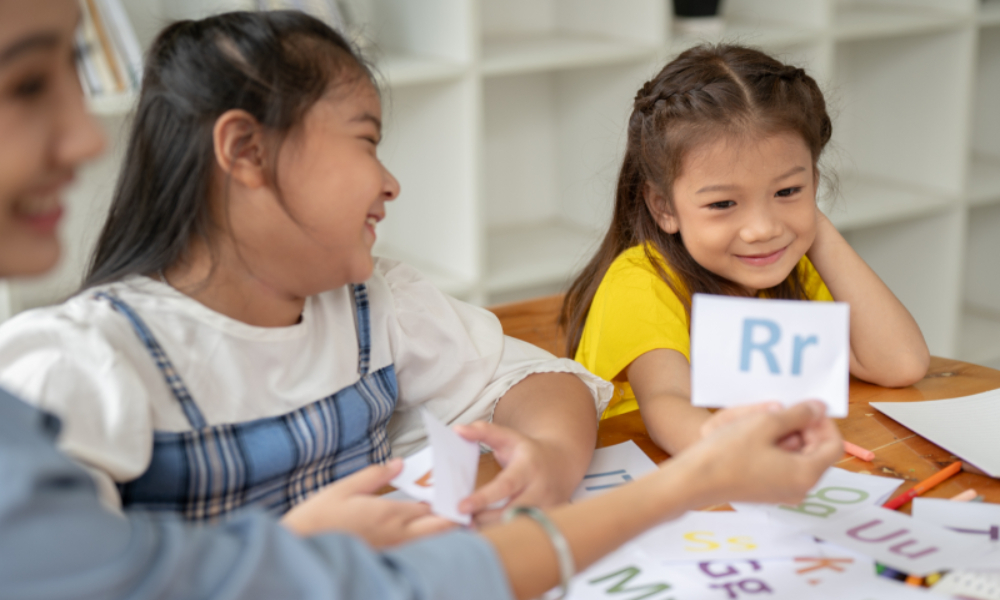
Role-playing activities and flashcards are also commonly used, as these techniques are known to boost memory retention. The learning process remains enjoyable while promoting participation, which is critical for language acquisition. Through these interactive methods, children build a positive association with the language, setting the stage for more in-depth learning as they progress.

3. Emphasis on Listening and Speaking Skills

Listening and speaking are essential components of any Chinese enrichment class. Children are encouraged to listen to native Mandarin speakers, helping them grasp the nuances of pronunciation and tone. Classes often incorporate listening exercises and guided speaking practices to build confidence in using foundational phrases.

Chinese language centres often employ native-speaking teachers who use clear, correct pronunciation to model Mandarin for young students. Teachers frequently engage students in simple dialogues, asking them questions and prompting them to respond. Through this, preschoolers improve their listening skills and gain confidence in speaking Mandarin.

4. Structured Curriculum with Gradual Progression

The curriculum in a high-quality Chinese enrichment class for preschoolers is structured to allow gradual progression. Initially, the focus is on understanding single words and simple phrases. As the children progress, the curriculum shifts to include sentence construction and character recognition. The structured approach ensures that children build on prior knowledge, gradually introducing new elements of the language.

Classes are typically organised at progressive levels, allowing children to advance comfortably. This structured learning approach ensures the children aren’t overwhelmed and can gain confidence at each stage.

5. Supportive and Qualified Teachers

A core factor in a successful Chinese enrichment program for preschoolers is the quality of the teachers. Reputable centres employ qualified educators with expertise in early childhood education and Mandarin language skills. Teachers trained to work with young children understand the importance of patience and encouragement, ensuring a positive learning experience.

Teachers often provide individual feedback to each child and adjust lessons based on their specific learning needs. This support system helps ensure no child feels left behind and each can learn effectively in a group setting.

6. Cultural Exposure Through Language Learning

One unique aspect of Chinese tuition for preschool is that many programs integrate cultural elements into language learning. Preschoolers learn Mandarin and also gain exposure to Chinese culture, traditions, and festivals. For example, children might learn songs associated with the Lunar New Year or participate in simple arts and crafts related to Chinese cultural themes.

Learning about cultural elements alongside the language lets children gain a broader understanding, helping them connect better with their surroundings.

7. Progress Tracking and Feedback for Parents

Many Chinese language centres provide regular progress updates and feedback for parents. These reports detail the child’s strengths, areas for improvement, and any challenges they may be facing. This feedback allows parents to understand their child’s progress and provides insight into how they can support learning at home.

Some centres also offer brief one-on-one sessions with teachers to discuss the child’s progress in more detail. This open communication ensures that parents are kept in the loop and can actively participate in reinforcing language skills at home.

Conclusion

Selecting an appropriate Chinese enrichment class for preschool-aged children requires thoroughly comprehending the program’s framework and methodology. There is a significant focus on essential language skills, engaging learning techniques, and a gradual advancement that establishes a solid basis for successful language learning in Singapore Chinese language centres. With experienced educators and culturally enriching activities, Chinese tuition for preschoolers fosters language growth and offers a constructive early educational experience.

Contact Tien Hsia to give your child a head start in mastering Mandarin!