
Why Group Projects Get Mistaken for the Real Thing
Most educators assume that any assignment involving teamwork and a loose real-world theme counts as meaningful problem-based instruction. A unit where students build a poster about renewable energy or design a mock business plan often gets filed under the same category as genuine inquiry-driven work. The thinking goes that if students are collaborating and producing something tangible, deeper learning must be happening underneath.
That assumption falls apart once you look closely at what students actually retain. Many group projects are structured around a predetermined answer the teacher already has in mind, with the research phase functioning more like a scavenger hunt than genuine investigation. Students learn to divide labor and meet deadlines, which are useful skills, but they rarely encounter a problem that has no clean answer. The gap between appearing engaged and actually wrestling with ambiguity is wider than most lesson plans account for.
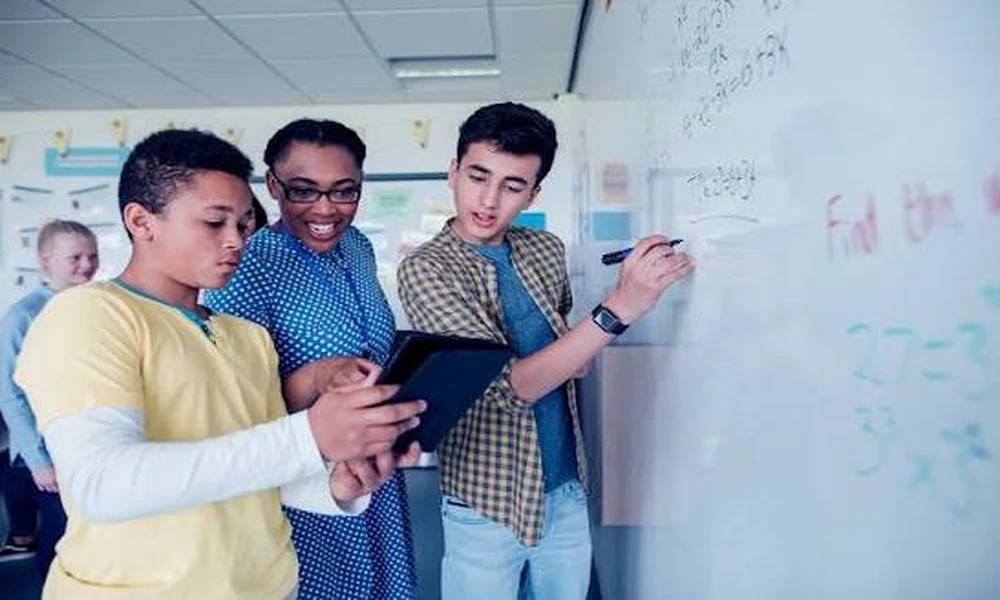
There’s also a tendency to confuse novelty with rigor. A project involving drones or coding software feels advanced simply because the tools are unfamiliar to adults in the room. But swapping a worksheet for a tablet doesn’t change the underlying cognitive demand if students are still following a script someone else wrote for them.
The Role Ambiguity Plays in Actual Skill Transfer
Research on how students build transferable skills points to something less tidy than a polished final product. Students need exposure to problems where the path forward isn’t obvious at the start, where they have to generate their own hypotheses and test them against feedback from the environment or from peers. This kind of friction is uncomfortable for teachers to manage because it resists neat rubrics and predictable timelines.
What tends to work is giving students a real constraint tied to an authentic audience or outcome, then stepping back enough that they have to negotiate the solution themselves. A class investigating water quality in a local creek, for example, benefits more from uncertainty about what the data will show than from a pre-written conclusion they’re meant to confirm. The teacher’s role shifts from dispensing answers to asking better questions at the right moments.
Feedback loops matter just as much as the problem itself. Students who get to revise their thinking after testing an idea against reality retain far more than those who submit a single draft for a grade. This is part of why simulations and scenario-based challenges tend to outperform static projects when it comes to actual skill transfer, even though they can feel messier to grade and manage in the moment.
Building a Classroom Structure That Supports Genuine Inquiry
Translating this into classroom practice starts with choosing problems that are genuinely open-ended rather than dressed-up versions of familiar assignments. A good starting point is a question tied to a real community issue, an engineering constraint, or a scientific puzzle that doesn’t have a single right answer sitting in a teacher’s edition. Programs built around challenge-based learning activities give teachers a framework for this without having to build every scenario from scratch, which matters for anyone balancing curriculum demands with limited planning time.
Once the problem is selected, the structure around it needs room for iteration. Students should be able to test a flawed idea, get feedback, and revise without being penalized for the first attempt not working. This changes how students relate to failure inside the classroom, since a wrong guess becomes useful information rather than a dead end on a rubric.
Teachers who’ve made this shift often describe needing to resist the urge to rescue students too quickly when they get stuck. Sitting in that discomfort for a bit longer than feels natural is often where the real learning happens. Giving students partial ownership over how they define success within the problem, rather than handing them a checklist, tends to produce work that looks less polished on the surface but reflects deeper understanding underneath. The payoff shows up later, when students carry that comfort with ambiguity into situations the classroom never specifically prepared them for.

Comments are closed.