
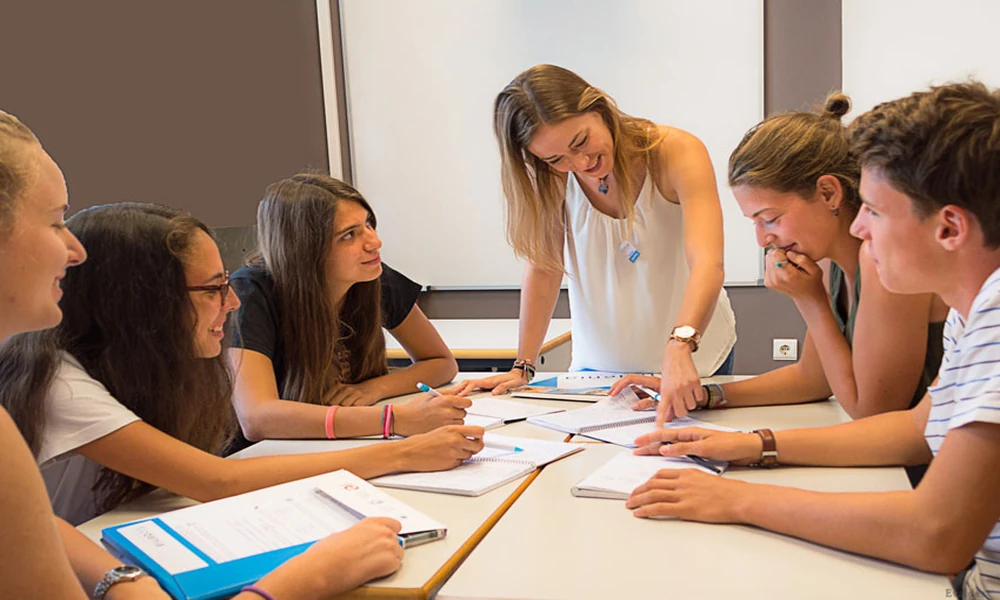
Middle school is a strange and wonderful age to teach. The same twelve-year-old who rolls their eyes at a worksheet will spend forty minutes debating the best pizza topping with total conviction. Tweens care intensely about their friends, their identity, and whether something feels “cringe.” Get those three things right, and Spanish class can become the room students actually look forward to.
Get them wrong, and you’ll watch enthusiasm from elementary school quietly drain away. Here’s how teachers, and the families who support them, can keep Spanish alive in the middle grades.
Why the middle years are a turning point
Many students arrive in sixth or seventh grade with a few years of playful elementary Spanish behind them: songs, colors, numbers, and greetings. Others are starting from scratch. Either way, the work changes. Students are now expected to build real sentences, handle past and future time, and start reading and writing with more accuracy.
At the same time, tweens become far more self-conscious. The fearless kid who sang in Spanish at eight may now refuse to speak in front of classmates. That combination, harder content plus higher social stakes, is exactly why middle school is where many students decide whether they’re “a language person” or not. The teacher’s job is to make sure the answer is yes.
Lower the social risk of speaking
The biggest barrier in a middle school language classroom usually isn’t ability. It’s fear of looking foolish in front of peers. A few structures help enormously:
- Pair and small-group talk first. Let students rehearse with one partner before anyone speaks to the whole class.
- Scripted starters. Sentence frames like Prefiero… porque… (I prefer… because…) give students a safe runway into real opinions.
- Choral and whisper practice. Having the whole room repeat together lets shy students practice sounds without being singled out.
- Normalize mistakes publicly. Teachers who cheerfully correct their own slips model that errors are part of learning, not something to hide.
When speaking feels low-risk, students speak more. When they speak more, they improve faster, and that success builds its own motivation.
Make the content about them
Tweens are deeply interested in themselves and their world, so lean into it. Instead of generic textbook dialogues about buying a train ticket, build lessons around topics they genuinely care about:
- Ranking favorite snacks, songs, games, or sports teams and defending their picks.
- Describing their dream bedroom, weekend, or future job.
- Surveying classmates about habits and graphing the results in Spanish.
- Creating short videos, comics, or social-media-style posts about their lives.
The grammar doesn’t change, but the reason to use it does. A student who wants to argue that their favorite team is the best will reach for comparisons like mejor que on their own.
Use real-world Spanish they recognize
Middle schoolers have a sharp radar for anything that feels fake or babyish. Authentic materials, created by and for Spanish speakers, cut through that. Music, short YouTube clips, sports commentary, food videos, and kids’ shows from Latin America and Spain all show students that Spanish is a living language used by hundreds of millions of people, not just a school subject.
Short, well-chosen clips work better than long ones. A two-minute video with a clear task, such as catching three foods mentioned or identifying how the speaker feels, keeps attention and builds listening confidence.
Set clear, visible goals
Tweens respond well to seeing their own progress. Proficiency-based goals, which describe what students can do with the language rather than which chapter they’ve finished, make that progress concrete.
The widely used NCSSFL-ACTFL Can-Do Statements are a helpful framework here. Statements like “I can ask and answer simple questions about my daily routine” give students a checklist they can actually understand. Many teachers have students self-assess against these statements at the start and end of each unit, which turns abstract improvement into something they can see and feel proud of.
Build in movement and games
Middle schoolers are not built to sit still for fifty minutes. Short bursts of movement help both focus and memory. A few classroom favorites:
- Four corners: students move to a corner of the room based on their answer to a question in Spanish.
- Running dictation: one partner reads a sentence posted across the room, runs back, and dictates it to their partner.
- Quick-draw vocabulary: teams race to sketch a word called out in Spanish.
- Class competitions: timed challenges for describing a picture or asking the most questions in two minutes.
Games shouldn’t replace structured practice, but they give tweens a reason to use Spanish with energy and a little friendly competition.
Connect Spanish to who they’re becoming
Middle school is when students start imagining future versions of themselves. Showing how Spanish connects to real careers and experiences can be surprisingly motivating. Invite a bilingual nurse, business owner, athlete, or older student to speak to the class. Share examples of travel, volunteering, and jobs where Spanish opens doors.
For students from Spanish-speaking homes, the middle grades are also a chance to value and build on the language they already have. Heritage speakers can take on leadership roles, share expressions from their families, and work on reading and writing skills that strengthen what they bring from home.
How families can support a middle school Spanish learner
Parents don’t need to speak Spanish to help. A few habits make a difference:
- Ask your tween to explain one thing they learned in Spanish class this week.
- Encourage Spanish-language music, podcasts, or shows with Spanish subtitles during downtime.
- Try a Spanish-speaking restaurant together and let your child order.
- Praise effort and persistence rather than grades alone. Language learning is a long game.
The bottom line
Seventh graders aren’t hard to teach. They just need a reason to care and a safe place to try. Spanish class becomes the highlight of their day when speaking feels low-risk, the content reflects their lives, the materials feel real, and progress is visible. Get those pieces in place, and the middle years stop being the point where students give up on a language and become the point where they fall for it.
