
Author

Clare Louise

Browsing

Coaching is no longer considered as an informal skill. It has turned into a formal discipline in which individuals demand precision, technique, and uniformity. The method is important whether one is leading teams or managing individuals.

This is why formal learning is often studied by many professionals at an early stage, and icf coaching certification singapore is often presented as a reliable alternative due to the strict international standards and systematic progress.

What makes this certification approach different

Such certification is knowledge and application-driven.

Learners usually go through:

• Core coaching frameworks

• Real conversation practice

• Supervised feedback sessions

It is not simply about the knowledge of coaching concepts. It is concerned with their proper use in various contexts.

As an illustration, learners are not only trained to ask questions, but to ask questions that promote deeper thinking and understanding.

How learning builds step by step

Learning process is planned to be gradual.

First, you know the fundamentals of coaching conversations. This is followed by practice in controlled environments. Then you start to use those skills in practice.

This gradual process will enable the learners not to get confused and gain confidence gradually.

And in the majority of situations, such an organized course is more effective than attempting to learn all simultaneously.

Skills that develop during the process

Some of the most important skills start to develop during training:

• Listening without interruption.

• Open ended questions.

• Losing control of conversations.

These are not only skills that can be applied in coaching but also in the daily workplace.

As an illustration, team discussions tend to be more fruitful as communication enhances.

How coaching impacts workplace performance

The skills of coaching are very common in management and leadership.

Individuals who acquire these skills tend to observe:

• Better team engagement

• Clearer communication

• Improved decision making

This is because coaching makes individuals think on their own as opposed to following instructions.

This practice results in more effective cooperation and outcomes in most workplaces.

When the value becomes more visible

At one time, learners start to observe the definite outcomes.

Discussions are more organized. Individuals are more open. Conversations are less coerced.

That is typically the point when icf coaching certification singapore begins to demonstrate its true worth, as the skills are transferred to the practical sphere.

Comparing structured and informal learning approaches

Learning Type

Approach Style

Outcome Focus

Structured Program

Guided and systematic

Consistent skill growth

Informal Learning

Self driven

Uneven development

Mixed Approach

Flexible

Balanced but varied results

This is useful to understand why a structured certification program is favored by many professionals in long term development.

Clarity, consistency and communication are the foundation of coaching. These qualities are developed in a consistent manner through structured learning.

An evident certification route will make sure that learners do not just know about coaching but also implement it in practical scenarios.

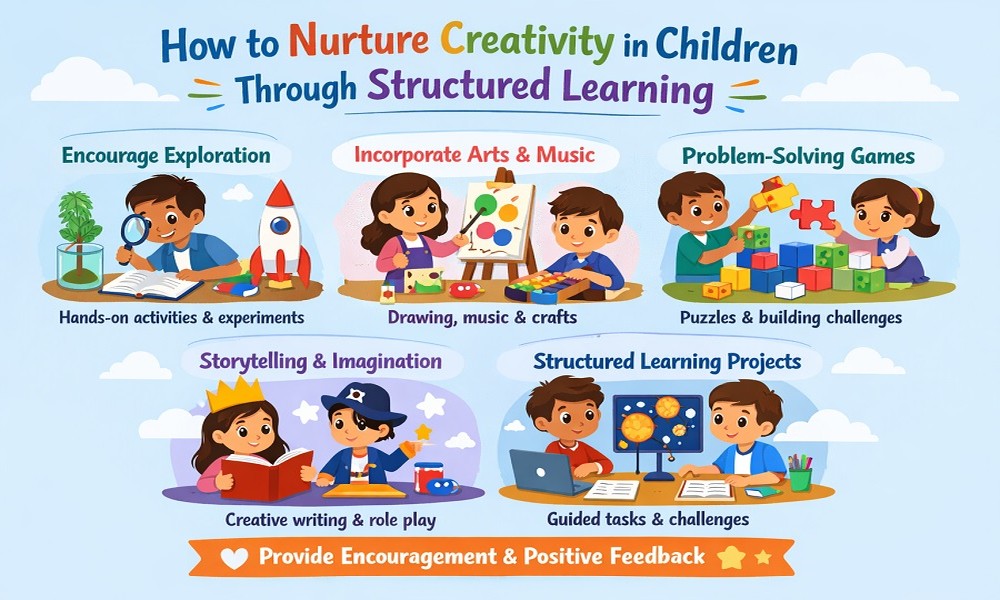
In Singapore’s education system, there is a strong emphasis on academic excellence. While this has many benefits, parents are increasingly recognising the importance of nurturing creativity alongside traditional learning. Creative development helps children think independently, express themselves confidently, and approach problems with a fresh perspective.

Art is one of the most effective ways to encourage this kind of growth. It allows children to explore ideas freely while still developing discipline and focus when guided in the right environment.

Why Creativity Matters in Early Development

Creativity is not just about drawing or painting. It is about how children think, solve problems, and express their ideas. When children engage in creative activities, they learn to experiment without fear of failure.

In Singapore, where structured learning is common, introducing creative activities helps balance a child’s development. It allows them to step away from rigid frameworks and explore their imagination more freely.

Studies and educational practices have shown that creative learning can improve cognitive abilities, communication skills, and emotional intelligence. These are essential qualities that benefit children both in school and in life.

The Role of Structured Learning in Art

While free play is important, structured guidance can significantly enhance a child’s creative journey. A well designed programme introduces techniques, tools, and concepts in a way that builds both skill and confidence.

For example, professional art programmes in Singapore often combine foundational skills such as sketching and composition with creative exploration. This balance helps children understand both the technical and expressive sides of art.

Centres like Little Artists Art Studio focus on developing not just artistic ability but also observation, discipline, and critical thinking, creating a well rounded learning experience.

Benefits of Art Classes for Children

Enrolling children in art classes for kids provides several long term benefits.

Improved Focus and Patience
Art requires attention to detail and time to complete tasks. This helps children develop patience and the ability to concentrate for longer periods.

Confidence Building
When children create something on their own, it gives them a sense of achievement. This builds self confidence and encourages them to take on new challenges.

Better Motor Skills
Activities like drawing, painting, and sculpting help improve hand eye coordination and fine motor skills, especially in younger children.

Emotional Expression
Art provides a safe space for children to express their feelings. This is particularly important in a busy and structured environment like Singapore.

Exposure to Different Art Forms

Modern art education goes beyond basic drawing. Children are introduced to various forms such as painting, clay modelling, and mixed media. This exposure helps them discover their interests and develop unique styles.

Programmes in Singapore often cater to a wide age range, starting from as young as 2.5 years old and progressing to advanced levels for teenagers. This allows children to grow continuously and refine their skills over time.

Learning in a Supportive Environment

A positive learning environment plays a key role in a child’s development. Small class sizes and personalised attention allow instructors to understand each child’s strengths and areas for improvement.

Many structured art programmes focus on guiding children rather than forcing outcomes. This encourages independent thinking while still providing the support needed to improve.

In Singapore, such environments are particularly valuable as they offer a break from academically intense routines and allow children to enjoy the learning process.

Encouraging Creativity at Home

While formal classes are beneficial, creativity should also be encouraged at home. Parents can support their child’s development by providing simple materials such as paper, colours, and craft tools.

Allowing children to explore without strict rules helps build confidence and curiosity. Even small activities like drawing after school or creating simple crafts can make a big difference over time.

Balancing Creativity with Academics

One common concern among parents in Singapore is balancing creative activities with academic responsibilities. The key is to integrate creativity into a child’s routine without overwhelming them.

Short, consistent sessions are often more effective than long, irregular ones. When children enjoy what they are doing, they are more likely to stay engaged and continue learning.

Creative activities should be seen as a complement to academics rather than a distraction. In fact, many skills developed through art, such as focus and problem solving, can enhance academic performance.

Conclusion

Nurturing creativity in children is essential for their overall development. Through a combination of structured learning and free exploration, children can build confidence, improve skills, and discover their unique abilities.

For parents in Singapore, incorporating creative activities into a child’s routine offers a valuable opportunity to support both personal and academic growth. With the right guidance and environment, children can develop not only as students but also as confident and imaginative individuals.

The Evolution of Workplace Safety Standards

In the decades following Singapore’s rapid industrialisation, a pattern emerged that would reshape the nation’s approach to workplace safety. Warehouses expanded across Jurong and Tuas, container terminals multiplied along the coast, and manufacturing facilities transformed the economic landscape. Yet alongside this prosperity came a sobering toll. Industrial accidents, particularly those involving material handling equipment, claimed lives and limbs with troubling regularity. The government’s response would prove decisive, establishing frameworks that now define Singaporean industrial practice.

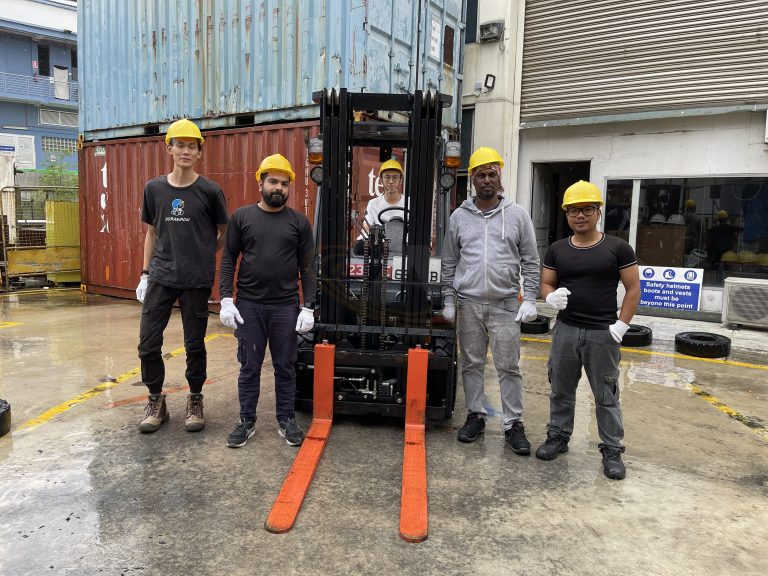
The forklift course Singapore requires today represents the culmination of hard-won lessons. These regulations did not materialise from abstract policy discussions but from investigations into preventable tragedies, from testimonies of injured workers, and from the recognition that economic progress must not come at the cost of human welfare. The Ministry of Manpower’s stringent certification requirements reflect this historical reckoning.

The Regulatory Architecture: Understanding MOM Requirements

Singapore’s Workplace Safety and Health Act stands as comprehensive legislation governing industrial operations. Within this framework, forklift operation occupies particular attention. The Act mandates that no person shall operate a forklift without proper certification, and employers bear strict liability for ensuring compliance. This is not merely administrative procedure. The law recognises that a forklift, weighing several tonnes and capable of lifting loads to considerable heights, becomes a lethal instrument in untrained hands.

The certification process demands completion of an approved forklift course Singapore training centres offer under MOM supervision. These programmes must meet exacting standards:

  • Theoretical instruction covering forklift mechanics, load dynamics, and stability principles
  • Practical training on multiple forklift classifications
  • Assessment of pre-operation inspection capabilities
  • Demonstration of safe loading and unloading procedures
  • Emergency response and incident management protocols
  • Comprehensive understanding of WSH regulations applicable to forklift operations

The Ministry’s approval process for training providers ensures consistency across the industry. Approved centres undergo regular audits, their instructors must possess both operational expertise and teaching credentials, and their equipment must meet current safety standards. This regulatory vigilance stems from understanding that substandard training creates hazards extending far beyond individual operators.

The Anatomy of Professional Training Programmes

Quality forklift training in Singapore follows a structured progression. Initial classroom sessions establish theoretical foundations. Students learn the physics of load centres and the mathematics of capacity ratings. They study the mechanical systems that power modern forklifts, from internal combustion engines to electric motors and hydraulic systems. This knowledge proves essential when operators encounter equipment malfunctions or must make split-second judgements about load stability.

Practical training forms the programme’s core. Students progress through increasingly complex scenarios:

  • Basic manoeuvring in open spaces
  • Navigation through narrow aisles and confined areas
  • Load pickup from various heights and configurations
  • Stacking operations requiring precision and spatial awareness
  • Ramp operations and uneven surface handling
  • Emergency procedures including controlled equipment shutdown

Reputable forklift course Singapore providers replicate actual workplace conditions. Training grounds feature the obstacles operators encounter daily: pedestrian traffic, overhead clearances, loading docks, and storage racks. This realism separates adequate training from excellence.

Economic Imperatives: The Business Case for Certification

For Singaporean enterprises, forklift certification represents sound financial strategy. The costs of non-compliance extend well beyond MOM penalties, though these alone warrant attention. Fines for operating without proper certification can reach thousands of dollars, and serious violations may result in stop-work orders that halt operations entirely.

Insurance considerations prove equally compelling. Underwriters scrutinise operator qualifications when assessing risk and determining premiums. Companies demonstrating rigorous training protocols and perfect safety records secure favourable rates. Conversely, accidents involving uncertified operators often void coverage, leaving businesses exposed to devastating liability.

The productivity benefits of proper training merit consideration. Certified operators handle materials more efficiently, reducing loading times and minimising product damage. They operate equipment within design parameters, extending machinery lifespan and reducing maintenance costs. These advantages accumulate substantially across fiscal years.

Selecting Training Providers: Navigating Singapore’s Options

Singapore’s training landscape includes numerous providers claiming MOM approval. Prospective students must verify credentials carefully. The Ministry maintains public registries of approved training centres, and legitimate providers readily supply their approval numbers and documentation.

Beyond basic approval, quality indicators include:

  • Instructor experience in industrial environments, not merely teaching credentials
  • Modern forklift fleets representing equipment students will operate professionally
  • Training facilities spacious enough for realistic manoeuvring exercises
  • Class sizes permitting individualised instruction and adequate practice time
  • Transparent assessment criteria and pass rates

The investment in comprehensive training extends throughout a worker’s career. Certification opens employment across logistics, manufacturing, construction, and retail sectors. For businesses, maintaining a certified workforce represents competitive advantage in Singapore’s demanding marketplace.

The Path Forward: Safety as Industrial Culture

As Singapore continues developing its advanced manufacturing capabilities and expands its role as regional logistics hub, workplace safety remains paramount. The forklift course Singapore mandates exist not as bureaucratic impediment but as essential safeguard. They protect individual workers, shield businesses from liability, and preserve Singapore’s reputation for operational excellence. In an industry where momentary inattention can prove catastrophic, proper training remains the most reliable defence against trag

Bullying remains a significant issue in K-12 schools, impacting the mental and emotional well-being of students. However, with the right interventions, schools can foster a safe, inclusive, and supportive environment. Below are 11 strategies to help eliminate bullying in K-12 schools, featuring the role of mental health speakers and anti-bullying motivational speakers.

  1. Implement Comprehensive Anti-Bullying Policies

A well-defined anti-bullying policy serves as the foundation for any bullying prevention strategy. Schools should develop clear guidelines on what constitutes bullying, outline disciplinary actions, and ensure that students, staff, and parents understand the policy.

  1. Encourage Open Communication

Fostering an environment where students feel safe to report bullying is essential. Teachers and staff should create avenues for open communication, such as anonymous reporting systems and regular check-ins with students. This ensures that students know their concerns are taken seriously.

  1. Integrate Mental Health Programs

Mental health programs are crucial in preventing bullying. By addressing underlying mental health issues that may contribute to bullying behavior or victims’ experiences, schools can create a more empathetic atmosphere. Mental health speakers for schools can educate both students and staff on recognizing and addressing these issues.

  1. Provide Anti-Bullying Motivational Speakers

One powerful method to combat bullying is bringing in anti-bullying motivational speakers for schools. These speakers can inspire students to treat each other with kindness and respect. Their personal stories, combined with strategies for dealing with bullies, can resonate deeply with students, empowering them to make positive changes.

  1. Offer Peer Support Programs

Peer support programs encourage students to help each other, both academically and socially. Peer leaders can serve as role models, guiding younger or more vulnerable students on how to handle bullying situations and providing emotional support when necessary.

  1. Promote Social-Emotional Learning (SEL)

Social-emotional learning programs teach students crucial skills such as empathy, emotional regulation, and conflict resolution. By integrating SEL into the curriculum, schools can equip students with the tools to prevent bullying and to resolve conflicts in peaceful ways.

  1. Train Staff to Recognize and Address Bullying

Teachers, administrators, and support staff must be adequately trained to recognize the signs of bullying and intervene effectively. Regular professional development should include topics such as how to address bullying in the classroom, identifying subtle signs of distress, and supporting victims.

  1. Foster a Positive School Climate

A positive school climate is one where students feel supported, valued, and respected. Schools should implement initiatives that promote inclusivity, such as diverse cultural celebrations, kindness campaigns, and group activities. When students feel connected, they are less likely to engage in bullying behaviors.

  1. Create Clear Consequences for Bullying Behavior

Clear and consistent consequences for bullying are essential. Students need to understand that bullying will not be tolerated and that there will be tangible consequences for such behavior. However, consequences should also include educational components, such as restorative justice practices, to help the bully understand the impact of their actions.

  1. Encourage Parental Involvement

Parents play an essential role in preventing bullying. Schools should involve parents by offering workshops on recognizing bullying, discussing appropriate responses, and providing resources. Regular communication between the school and families ensures that the message of zero tolerance for bullying is reinforced at home.

  1. Celebrate Diversity and Inclusion

A school that values diversity is less likely to experience bullying related to race, ethnicity, or other differences. By celebrating diversity through lessons, activities, and student organizations, schools can promote acceptance and reduce the likelihood of discriminatory behavior. Anti-bullying motivational speakers for schools can also address topics related to embracing differences and understanding each other’s perspectives.

Conclusion

Eliminating bullying in K-12 schools requires a multi-faceted approach, with collaboration between students, staff, parents, and the broader community. By implementing these 11 strategies, schools can create an environment where every student feels safe, supported, and valued. Utilizing the expertise of anti-bullying motivational speakers and mental health speakers for schools can further enhance efforts, ensuring that bullying is addressed proactively and effectively.

Sweethearts & Heros

38 N Main St, Suite 233

Saint Albans, VT 05478

Phone: (802) 309-9539

Email: [email protected]

Website: https://www.sweetheartsandheroes.com/

Direction: https://maps.app.goo.gl/dEji3u5Zs5541SfE6

Follow us on:

https://www.facebook.com/sweetheartsandheroes/

https://www.youtube.com/channel/UChmbRNNgpGWkMRIUxSS-bGg

https://www.instagram.com/sweetheartsandheroes/

https://twitter.com/SweetheartHero

http://www.linkedin.com/in/thomas-murphy-47bb422

https://www.tiktok.com/@sweetheartsandheroes

https://linktr.ee/sweetheartsandheroes

https://www.snapchat.com/add/sweetheroes240x

In today’s fast-paced business environment, organizations are seeking innovative staff training solutions to develop their workforce effectively. These comprehensive approaches combine traditional learning methods with modern technology to create engaging, efficient, and measurable training programs that drive organizational success.

Personalized learning paths represent a key component of modern staff training. Organizations can now create customized training programs that consider individual employee roles, experience levels, and career development goals. This targeted approach ensures more effective knowledge transfer and skill development while maintaining employee engagement throughout the learning process.

Digital delivery methods have revolutionized staff training capabilities. Online platforms enable employees to access training materials at their convenience, supporting flexible learning schedules and accommodating different work patterns. This accessibility helps organizations maintain consistent training quality across multiple locations while reducing traditional training costs.

Interactive elements enhance engagement and knowledge retention. Modern training solutions incorporate various interactive components, including simulations, scenario-based learning, and gamified elements. These features help employees practice new skills in safe environments while receiving immediate feedback on their performance.

Mobile learning capabilities have become essential in contemporary staff training. Employees can access training materials through smartphones and tablets, enabling learning during commutes or other convenient times. This flexibility increases participation rates and helps organizations maintain training momentum.

Assessment and tracking functions provide valuable insights into training effectiveness. Organizations can monitor employee progress, identify knowledge gaps, and adjust training content based on performance data. This analytical approach helps optimize training programs while demonstrating return on investment.

Blended learning approaches combine online and in-person training elements. This hybrid model leverages the benefits of both delivery methods, allowing organizations to provide hands-on practice sessions while maintaining the convenience of digital learning resources. Such flexibility helps accommodate different learning styles and training requirements.

Compliance and certification tracking features help organizations maintain regulatory requirements. Automated systems monitor employee certifications, send renewal reminders, and maintain detailed training records. This systematic approach reduces administrative burden while ensuring organizational compliance.

Social learning components facilitate knowledge sharing among employees. Discussion forums, peer-to-peer learning sessions, and collaborative projects help build a strong learning culture while leveraging internal expertise. These elements enhance traditional training methods while building stronger team connections.

Regular content updates ensure training materials remain current and relevant. Modern solutions allow for quick content modifications to reflect industry changes, new procedures, or updated compliance requirements. This agility helps organizations maintain training effectiveness while adapting to changing business needs.

Performance support tools provide ongoing assistance beyond initial training. These resources help employees apply new knowledge in real-world situations, offering quick reference guides, job aids, and troubleshooting assistance. Such support enhances training effectiveness while improving job performance.

By implementing comprehensive staff training solutions, organizations can develop their workforce more effectively while maintaining competitive advantage. These modern approaches combine technology, pedagogy, and analytics to create impactful learning experiences that drive organizational success through enhanced employee capabilities and engagement.

Legitimate businesses are built on the idea of exchanging the value of one thing for another. Most commonly, a customer pays you a monetary amount in exchange for some thing or service of value you can offer them. But exactly how that value is measured can depend heavily on multiple different layers of context. By understanding various contextual elements, you as a business owner can better understand your customer value. What is customer value: why is it important and how can it be increased?

What is value?

Although customer value sounds like it may be what value each customer contributes to your business, it’s not. Rather, it refers to the value a customer receives in exchange for the price they pay. And as the customer is the one paying, what they receive is not monetary in nature. Rather, value is the worth of economic, technical, and social benefits a customer receives. So when a customer purchases something, they believe they are receiving something of worth equal to the worth they gave away in monetary form.

Say, for example, a potential customer is in need of a new toothbrush. Much of a toothbrush’s value is readily apparent to the customer: it will help clean their teeth. However, there are other valuable benefits that this person will receive by using a toothbrush. They’ll increase the likelihood of avoiding painful toothaches and cavities, and save money by decreasing the frequency of dentist trips. In exchange for their money, the customer will receive these benefits and more, whether or not they’re aware of them. And this awareness of benefits received or a lack thereof is the domain of customer value in marketing.

What is customer value?

A customer becomes a customer once someone actually finalizes a purchase of an item or service. Once they have done so, they’ve transitioned from being a potential customer to a customer. The difference here matters because the awareness of benefit(s) is what can nudge someone to actually make a purchase. If a potential customer isn’t aware of the value an item or service would give them, there’s less chance they’ll make a purchase. Customer value, then, is not just the inherent value of a product or service, but how that value is communicated to the customer and what the customer believes the value to be.

Along with the hypothetical customer’s interest in buying a new toothbrush comes the complementary purchase of toothpaste. One brand’s toothpaste packaging says that it helps fight cavities and whitens your teeth at the same time. Another brand says the same, but also notes that the average cavity costs $200 — $600 without insurance. By using brand #2’s toothpaste, you’ll save yourself time, money, and pain down the line. While both kinds of toothpaste will likely provide the same benefit, one makes its customer value more contextually explicit.

How to identify customer value

Now, while it’s nice to know about the average cost of an uninsured cavity, that kind of information isn’t always relevant. Plenty of toothpaste purchasers aren’t worried about cavities and, instead, are more interested in whitening effects. However, in the case of brand #2, those effects weren’t emphasized in favor of the cavity angle. Thus, someone interested in toothpaste that specializes in whitening their teeth would more likely pass by the cavity prevention-focused brand. Whether this is good or bad for your company depends on who your target audience is and what your customer value model is.

Field value assessments are a method by which suppliers gather data about their customers firsthand. They are one of the best ways for building customer value models, as they’ll provide direct information that provides insight into what values your customers actually have. Direct feedback isn’t always possible, however, so you can also gather data by conducting surveys, hiring focus groups, intentional performance reviews, and analytical inventory management. Once analyzed, aggregate data will allow you to see what your customers actually value with their money. Then, you can take that information to create a customer value model to use as a basis for ongoing and future products and services.

How to increase customer value

Sourcing information on perceived values and benefits from customers is a great way to help build your customer value model. An additional way to do so is to generate a list of value elements that comprise your product or service. As mentioned prior, a value element could be economic, technical, or social in nature. An economic benefit would save a customer money or time; a technical benefit could be the efficacy of something like durable windows; and a social benefit could increase a customer’s reputation among peers. A list of value elements should reflect all possible beneficial effects that your products or service would have on a customer were they to purchase from you.

Generating value elements, gathering customer purchase data, and then analyzing it are all difficult tasks. They require a good grasp of your industry, trends, and economics to evaluate properly. If you want to become more knowledgeable and proficient in your industry, consider pursuing a Master’s in Business Administration. It’s simpler than ever to get your MBA online with Aston University – their comprehensive online program will give you the leadership edge you need to outperform your competition.

Maximize value

Understanding customer value is integral to developing your business. Customer value is the value that your potential customers perceive. If you understand your target audience’s wants and needs correctly, you can market your product or service to emphasize that potential value. However, doing so can be tricky, so it can be worthwhile to consider getting a degree to help you understand your market better. Customer value is just one of many critical strategic elements that comprise an effective and lucrative business.